When Someone Else’s Fire Becomes Your Problem
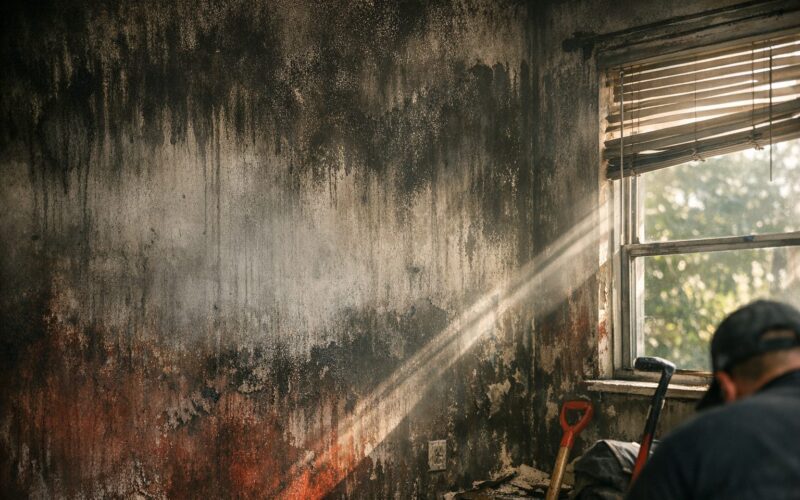
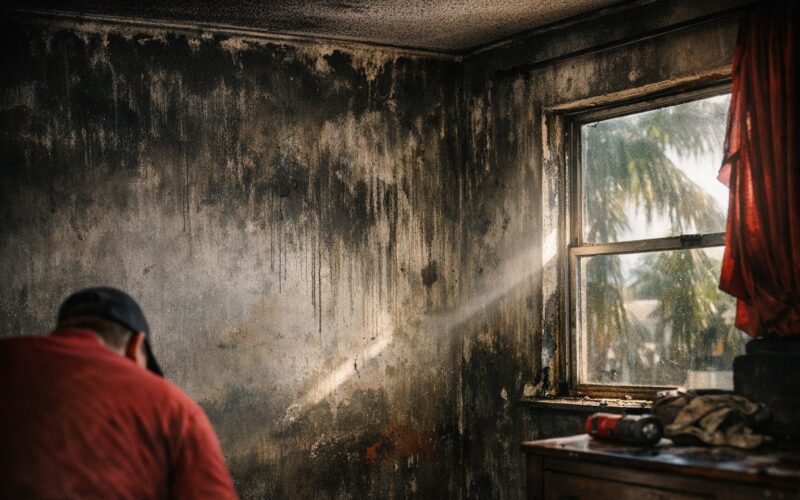
You did everything right. You maintained your home, you were careful with fire safety, and yet you are now dealing with fire damage — because your neighbor’s house caught fire and the damage spread to yours. Whether it is smoke that infiltrated through shared walls, radiant heat that melted your siding, water from the fire department’s hoses that flooded your property, or actual fire that jumped from their structure to yours, the result is damage to your home that you did not cause.
This situation raises immediate questions: Who pays for the damage? Do you file a claim on your own insurance? Can you go after the neighbor’s insurance? What about your deductible? And how do you get restoration started while the insurance questions are being sorted out?
Here is a clear, practical guide to navigating this frustrating situation as a Florida homeowner.
How a Neighbor’s Fire Damages Your Home
Fire damage from an adjacent property can affect your home in several ways, some obvious and some not:
Smoke Infiltration
Smoke from a neighbor’s fire can infiltrate your home through open windows, attic vents, soffit vents, HVAC fresh air intakes, and the natural air leakage paths every building has. Even with all windows closed, a significant fire next door can push enough smoke into your home to cause real smoke and soot damage — discoloration, odor, and contamination of surfaces, contents, and the HVAC system.
Radiant and Convective Heat
A large fire produces intense radiant heat that can melt vinyl siding, crack windows, damage exterior finishes, and even ignite combustible materials on your home’s exterior. The closer your home is to the fire, the greater the heat exposure. In Florida subdivisions where homes are built close together, heat damage to adjacent properties is common in significant structure fires.
Fire Suppression Water
Fire departments use thousands of gallons of water to fight structure fires. That water does not respect property lines. Runoff can flood your yard, enter your home through foundation cracks or door thresholds, and cause water damage to flooring, drywall, and contents. The water may also be contaminated with fire debris, chemicals, and other pollutants.
Direct Fire Spread
In the worst case, fire spreads from the neighbor’s property to yours through radiant heat ignition, flying embers, or direct flame contact. This is more common with attached housing — townhomes, duplexes, and condominiums — but can occur with detached homes as well when they are in close proximity.
Which Insurance Covers the Damage?
This is the question every homeowner in this situation asks first. The answer is clear, even though it may not feel fair:
Your Homeowner’s Insurance Is Your Primary Resource
In Florida, your own homeowner’s insurance policy covers damage to your home from fire and smoke, regardless of where the fire originated. When your neighbor’s fire damages your property, you file a claim on your own policy. Your insurance company pays for the restoration, subject to your deductible and policy limits.
This may feel wrong — why should you use your insurance when someone else caused the damage? The reason is practical: your policy is designed to cover exactly this type of loss, and it is the fastest way to get restoration started. Your insurance company can then pursue subrogation against the neighbor’s insurance to recover what they paid out, potentially including your deductible.
Subrogation: Recovering from the Neighbor’s Insurance
After your insurance company pays your claim, they may pursue subrogation — a legal process where they seek reimbursement from the neighbor’s insurance company (or the neighbor personally if they are uninsured). If the neighbor’s fire was caused by negligence — faulty wiring they knew about, careless burning, or failure to maintain their property — the subrogation claim is stronger.
If subrogation is successful, you may recover your deductible as well. This process takes months to years, but it happens behind the scenes while your home is being restored.
Going Directly to the Neighbor’s Insurance
You can file a liability claim directly against the neighbor’s homeowner’s insurance if you believe their negligence caused the fire. However, this approach has significant drawbacks:
- The neighbor’s insurance company has no obligation to you and may deny or undervalue the claim
- Liability claims require proving negligence, which can be complex and time-consuming
- You may wait months for any payment while your home sits damaged
- The neighbor’s policy may have insufficient liability limits to cover your full loss
For these reasons, most insurance attorneys recommend filing on your own policy first to get restoration underway, then pursuing the neighbor’s insurance through subrogation or a separate liability claim for your deductible and any costs that exceeded your coverage.
Immediate Steps to Take
When a neighbor’s fire has damaged your home, take these steps promptly:
- Ensure your family’s safety: If smoke is present in your home, evacuate and wait for the fire department to give clearance before re-entering
- Document everything: Photograph and video all visible damage to the exterior and interior of your home before any cleanup begins
- Contact a professional restoration company: Call a restoration company like WrightWay Emergency Services promptly — they begin professional documentation and prevent secondary damage, especially if fire suppression water has entered your home. Their documentation strengthens your insurance claim.
- Contact your insurance company: Report the incident with the professional documentation your restoration company has gathered. Provide the facts — a fire at the neighboring property has caused damage to your home.
- Document the neighbor’s fire: If possible, note the fire department case number, the time the fire occurred, and any information about the cause. This information supports your claim and any future subrogation efforts.
- Keep receipts for all expenses: Hotel stays, meals, transportation, and any emergency purchases are potentially covered under your Additional Living Expenses coverage
Special Considerations for Condos and Townhomes
We handle both sides of condo losses, the association side and the unit-owner side, and document everything so responsibility is clear. Free damage assessment, live answer 24/7.
If you live in an attached unit — a condominium, townhome, or duplex — a neighbor’s fire presents additional complexities:
- Shared walls: Fire and smoke travel through shared wall assemblies, often causing damage that is not visible from either side without opening the wall for inspection
- HOA master policy: The condominium or homeowner’s association master policy may cover structural damage to the building. Your individual HO-6 policy covers your unit’s interior finishes, improvements, and personal property.
- Responsibility boundaries: Determining where the association’s responsibility ends and yours begins requires reviewing your HOA documents. The restoration company must coordinate with both insurers.
- Smoke in shared spaces: Smoke travels through shared attic spaces, utility chases, and common corridors, potentially affecting multiple units beyond the one adjacent to the fire
The Restoration Process
Restoring your home after a neighbor’s fire follows the same professional process as any fire or smoke damage restoration:
- Assessment and documentation of all damage for your insurance claim
- Emergency services: Board-up of any damaged openings, water extraction if fire suppression runoff entered the home
- Smoke and soot cleaning throughout all affected areas
- HVAC system cleaning if smoke was distributed through the ductwork
- Odor removal using professional deodorization equipment
- Contents cleaning or replacement of damaged personal belongings
- Reconstruction of any structural or finish damage
WrightWay Emergency Services handles the complete restoration process and coordinates directly with your insurance company, eliminating the burden of managing the project yourself during an already stressful time.
Protecting Your Rights
A few important legal considerations for Florida homeowners:
- Statute of limitations: Florida law gives you a limited time to file claims and lawsuits. Do not delay in contacting your insurance company and documenting the damage.
- Do not sign releases: If the neighbor or their insurance company asks you to sign a release or settlement agreement, consult an attorney first. Signing prematurely may waive your right to additional compensation if hidden damage is discovered later.
- Keep all documentation: Every photograph, receipt, communication, and report related to the damage should be preserved.
Your Neighbor’s Fire Is Not Your Fault — Let WrightWay Help
Dealing with damage you did not cause is frustrating and stressful. WrightWay Emergency Services helps homeowners across Sarasota, Bradenton, Venice, Fort Myers, Cape Coral, Naples, and all of Southwest Florida navigate the restoration and insurance claims process when a neighbor’s fire has impacted their home.
Call us at (941) 379-8669 for a prompt, professional assessment. We respond 24/7, document every aspect of the damage, and restore your home to pre-loss condition while providing thorough documentation to support your insurance claim.
WrightWay handles every restoration job from emergency response through licensed reconstruction.
One IICRC-certified team, one project manager, one phone call. Available 24/7 across Sarasota, Manatee, Charlotte, Lee, and Collier counties.
Add us as a preferred source and our storm updates, claim guides and restoration answers show up higher when you search.