

Crews Available Now - 24/7
Water Damage Restoration in Southwest Florida
IICRC-certified crews respond in under 2 hours - extracting water, drying structures, and preventing secondary damage. Serving Sarasota, Manatee, Charlotte, Lee, Collier, Hillsborough, and Pinellas counties 24/7/365.
AVAILABLE NOW - 24/7
Get a Water Damage Crew to Your Property Fast
Water damage compounds every hour. Tell us what happened and we will dispatch the nearest available crew immediately.
- Free assessment
- On-site in under 2 hrs
- We work with all insurance
Or call directly: (941) 379-8669
Our Process
How Our Water Damage Restoration Process Works
From the first emergency call through drying and repair planning, each phase is built to stabilize the property quickly, document the loss clearly, and keep recovery moving without unnecessary handoffs.
24/7 Emergency Response
Insurance-Focused Documentation
Coordinated From Mitigation to Rebuild
Phase 01
Emergency Dispatch
A live dispatcher responds right away, confirms the loss details, and sends the nearest available crew to begin stabilizing the property.
Phase 02
Damage Assessment & Documentation
Technicians inspect affected areas, map moisture migration, document visible and hidden damage, and build a clear scope for the next steps.
Phase 03
Water Extraction & Removal
Standing water is removed using commercial extraction equipment, followed by immediate actions to reduce further spread and material deterioration.
Phase 04
Structural Drying & Monitoring
Air movers and dehumidifiers are installed based on the conditions of the loss, then monitored and adjusted until drying goals are met.
Phase 05
Repair Planning & Reconstruction Coordination
Once mitigation is complete, the project transitions into a coordinated repair plan with clear communication around scope, sequencing, and next steps.
Ready for immediate help?
Speak with a live dispatcher now for response timing, next steps, and a clear plan for mitigation and repair.


Services
We Restore Every Type of Water Damage
From burst pipes to hurricane flooding - WrightWay handles the source, the damage, and the rebuild.
Burst Pipe & Supply Line Failure
The most common cause of residential water damage in Florida. Burst copper, PEX, and supply line failures release hundreds of gallons in minutes - requiring immediate extraction and structural drying to prevent subfloor and cabinet damage.
Learn More →Roof Leak & Attic Water Intrusion
Roof leaks send water through attic insulation, ceilings, and walls - causing hidden damage that spreads throughout the structure. Damaged tiles, missing shingles, and failed flashing all create entry points.
Learn More →Appliance Failures & Overflows
Washing machines, dishwashers, refrigerators, and toilets are responsible for thousands of Florida water damage claims annually. Supply hose failures and drain line backups cause the most severe damage.
Learn More →Water Heater Failure
Tank failures release 40–80 gallons instantly, flooding utility closets, garages, and adjacent rooms. Immediate extraction prevents secondary damage to subfloors, drywall, and cabinetry.
Learn More →AC & HVAC Condensate Leaks
Clogged condensate drains are the number-one water damage source in Florida. These slow leaks saturate drywall and insulation for weeks before detection - often resulting in hidden mold growth behind walls.
Learn More →Slab Leak & Foundation Damage
Underground pipe failures saturate concrete slabs and flooring from below. Slab leaks require specialized electronic leak detection, targeted demolition, and complete structural drying before flooring replacement.
Learn More →Hurricane & Storm Water Intrusion
Wind-driven rain, storm surge flooding, and post-hurricane water extraction for coastal and inland Southwest Florida properties. We deploy large-loss crews and commercial drying equipment for multi-unit and whole-structure events.
Learn More →Hidden & Long-Term Water Damage
Slow leaks behind walls, under slabs, and inside ceiling cavities cause gradual structural deterioration. We detect hidden moisture with FLIR thermal imaging and advanced moisture testing before it becomes a mold problem.
Learn More →Commercial Water Damage
Multi-story, large-loss commercial water damage restoration with business continuity planning, after-hours access, and minimal operational disruption for offices, hotels, retail, and healthcare facilities.
Learn More →Industry Standards
The Three Categories of Water Damage
The IICRC classifies water damage into three categories based on contamination level. Each category requires a different response - and understanding the difference helps you know what to expect from your restoration and your insurance claim.
Category 1 - Clean Water
Sources: Broken supply lines, sink overflows, appliance malfunctions, rainwater through a clean opening.
Clean water poses no immediate health risk, but it must be extracted and dried quickly. Left standing for more than 48 hours, Category 1 water deteriorates to Category 2 or 3 as bacteria multiply - especially in Southwest Florida's heat and humidity.
Category 2 - Gray Water
Sources: Washing machine discharge, dishwasher overflow, toilet overflow (urine only), AC condensate backup, aquarium failures.
Gray water contains chemical or biological contaminants that can cause illness with exposure. Affected porous materials - carpet, pad, drywall - typically require removal. Technicians use PPE and antimicrobial treatments throughout the drying process.
Category 3 - Black Water
Sources: Sewage backups, storm surge, river flooding, toilet overflow with feces, water that has been stagnant long enough to support bacterial growth.
Black water is grossly contaminated and requires full containment, respiratory protection, and removal of all porous materials that contacted the water. Category 3 events are the most urgent - and the most thoroughly covered by insurance.
WrightWay's IICRC-certified technicians are trained and equipped for all three categories. We document the contamination level in your Xactimate estimate - which directly affects your insurance coverage and claim approval.
Florida-Specific Risks
The Most Common Causes of Water Damage in Southwest Florida Homes
In Southwest Florida, losses rarely come from just one source. Year-round humidity, daily summer storms, aging plumbing, and long hurricane exposure create repeat patterns that property owners need to catch early.
Humidity keeps materials wet longer
Storm season stresses roofs and envelopes
Older plumbing often fails without warning
Burst Pipes & Supply Line Failures
High-risk in older Florida homes
Mineral-heavy water and aging fittings wear down copper, PEX, and older polybutylene lines faster than many owners expect. When a supply line lets go, a single failure can release hundreds of gallons in a short window.
Why it matters here: Many Southwest Florida homes built before the mid-1990s still have aging plumbing systems hidden behind finished walls.
AC Condensate Line Backups
A year-round Florida problem
Air conditioners in Southwest Florida run for much of the year, producing steady condensate that has to drain properly. When algae, debris, or neglected lines clog the system, water backs into ceilings and wall cavities with very little warning.
Why it matters here: Long cooling seasons make condensate backups one of the most common hidden water events in the region.
Roof Leaks & Failed Flashing
Storm-driven intrusion risk
Daily summer storms and wind-driven rain expose weak points at tiles, shingles, vents, skylights, and flashing details. Once water gets through the roof assembly, it often travels through attic spaces before showing up inside finished rooms.
Why it matters here: Repeated weather exposure makes even minor roof vulnerabilities more costly over time in coastal and inland Florida properties.
Appliance Failures
Common in active family homes and condos
Washing machine hoses, dishwasher connections, refrigerator lines, and toilet supply valves remain some of the most frequent residential water-loss sources. In Florida heat, older rubber components and brittle fittings degrade faster than owners often realize.
Why it matters here: Small appliance line failures can soak flooring, base cabinets, and shared walls before the leak is noticed.
Hurricane & Storm Intrusion
Regional large-loss exposure
Southwest Florida faces repeated thunderstorm activity plus months of hurricane season. Wind-driven rain, flooding, and storm surge can impact whole neighborhoods at once and overwhelm properties that already have weak exterior assemblies.
Why it matters here: Storm-related water events often involve multiple building systems at the same time, not just one isolated leak.
Slab Leaks & Foundation Moisture
Often hidden until damage is advanced
Underground supply lines can corrode and fail beneath concrete slabs, feeding moisture upward into flooring and wall bases. Because the leak stays concealed, owners often do not realize there is a problem until materials begin to swell, cup, or stain.
Why it matters here: Slab leaks are harder to isolate and document without specialized detection and moisture mapping.
Need clarity fast?
Not sure what caused the damage? We can inspect it, document it, and help you plan the next step before further damage develops.
Building Materials
Materials Commonly Damaged by Water
Water affects every material differently. Knowing what can be dried in place, what usually has to be removed, and what tends to hide moisture helps owners set better expectations for scope, timeline, and insurance documentation.
Drywall & Plaster
Often the first visible material to fail
Drywall absorbs water quickly and loses integrity fast. Once exposed to Category 2 or 3 water, removal is usually required. Clean-water drywall can sometimes be saved if the loss is found and dried early enough.
Insulation
Rarely worth leaving wet in place
Fiberglass batts trap moisture and lose R-value as soon as they are saturated. Wet insulation usually has to be removed so wall cavities and attic assemblies can dry properly and stay mold resistant.
Flooring
Damage often continues below the visible finish
Laminate and engineered wood swell or delaminate quickly. Carpet pad holds moisture and contamination. Tile can look fine while the subfloor beneath stays wet. Even LVP still requires subfloor drying below the surface.
Subfloor & Framing
Can often be saved if drying starts early
OSB and plywood swell as they absorb water, while framing can often be dried in place if the loss is addressed quickly. Delays increase the risk of warping, decay, and structural repair scope.
Cabinets & Vanities
Often damaged from the bottom up
Particleboard cabinets swell and break down fast, while solid wood components may be salvageable with a rapid dry-out. Toe-kicks, backs, and hidden voids are common places where moisture stays trapped.
Contents & Furnishings
May need separate cleaning, pack-out, and storage
Furniture, electronics, documents, and soft contents often need a different workflow than structural drying. Some losses require professional contents cleaning and restoration or off-site pack-out and storage.
Emergency Window
Water Damage Gets Worse Every Hour
Mold can begin growing within 24–48 hours, materials continue wicking moisture long after the first leak, and insurance scope gets harder to document when the response is delayed.
- Fast extraction reduces secondary damage
- Daily documentation supports a cleaner claim
- One team keeps mitigation and rebuild aligned
Homeowner Checklist
What to Do Immediately After Discovering Water Damage
The first hour matters. These are the safest and most useful steps to take before the crew arrives so the loss is stabilized, better documented, and less likely to spread.
Shut Off the Water Source
Turn off the supply valve to the fixture, the main shutoff, or the appliance. If the source is storm-related, focus on safe containment until crews arrive.
Avoid Electrical Hazards
Do not walk through standing water near outlets, appliances, or the breaker panel. If water is close to energized systems, stay out and wait for professional help.
Call WrightWay for Emergency Response
Call (941) 379-8669. A live dispatcher gathers the loss details and routes the nearest available crew, often within about 90 minutes.
Move Valuables to Dry Areas
If it is safe, lift furniture off wet flooring, move electronics and documents to a dry room, and remove area rugs from affected surfaces.
Do Not Vacuum Standing Water
Standard household vacuums are not made for water and can create an electrocution hazard. Wait for commercial extraction equipment.
Document Everything for Insurance
Take photos and video of affected areas before cleanup begins. As-found documentation helps protect your claim, and WrightWay adds professional documentation as part of the response.
Cost & Insurance
What Does Water Damage Restoration Cost in Florida?
Restoration costs depend on the size of the affected area, the category of water contamination, the materials involved, and how quickly mitigation begins. Here's what Southwest Florida homeowners typically see:
Minor Damage
$1,500–$4,500
Single room, Category 1 clean water, no mold - extraction, drying, and basic material removal.
Best for isolated clean-water events caught early
Moderate Damage
$4,500–$15,000
Multiple rooms, subfloor involvement, Category 2 contamination risk - full drying, material demolition, and monitored dry-out.
Typical when moisture has spread beyond one room
Extensive / Large Loss
$15,000–$50,000+
Whole structure, Category 3 contamination, multi-story, commercial - full extraction, containment, demolition, and complete reconstruction.
Often involves containment, demolition, and major rebuild scope
What influences your cost
Every loss is priced around contamination level, material impact, and how far the damage has already spread.
- Water category and contamination level
- How many rooms and materials are affected
- Whether flooring, drywall, or cabinetry must be removed
- How quickly mitigation begins after the loss
- Whether mold remediation or reconstruction is also needed
Insurance Coverage
How coverage and documentation usually work
What's Typically Covered
Most standard Florida homeowner policies cover sudden and accidental water damage from burst pipes, appliance failures, and certain roof leaks. Rising-water flood damage usually requires separate NFIP or private flood insurance, and long-term maintenance issues are commonly excluded.
What WrightWay Documents
We prepare detailed Xactimate estimates, timestamped photo documentation, daily moisture logs, and thermal imaging reports so adjusters have a cleaner record of the loss and the mitigation scope.
How We Help With the Claim
Our team coordinates directly with major Florida carriers including State Farm, Allstate, USAA, Citizens Insurance, and Farmers so owners are not left trying to explain the technical side of the drying process on their own.
Need clarity fast?
Need a real scope and estimate for your property? We can inspect the damage, document what is affected, and help you understand the likely next step before costs climb further.
Our Advantage
Why Southwest Florida Property Owners Choose WrightWay
When the loss is active, owners need more than cleanup crews. They need response speed, insurance-ready documentation, and a team that can stay accountable all the way into reconstruction.
Rapid Response
Live dispatchers answer 24/7/365 with no voicemail chain. Most crews arrive within about 90 minutes across the nine counties we serve.
Insurance-Grade Documentation
Xactimate estimates, daily moisture logs, thermal imaging, and timestamped photos give adjusters the records they need to keep decisions moving.
Licensed & Certified
Florida General Contractor, Licensed Mold Remediator, and IICRC-trained technicians mean the work is documented and performed to insurer and facility standards.
Mitigation Through Reconstruction
One accountable company carries the project from emergency extraction through complete reconstruction, without fragmented hand-offs or scope gaps.
Google Reviews
Patricia Mastrorilli
7 months ago
We had the best experience with Wrightway! We had a flooding incident from our AC system that seeped into the walls and under the laminate flooring. They were prompt, professional and did a great job drying out and cleaning up everything for us! We also had them do the repairs and we were 100% impressed with their work! Everyone we came in contact with in the office and into our home were respectful and knowledgeable. They worked with us on a great price! We can't say enough about a great experience during a stressful time! A special shout out to Alicia who was great to work with! Thank you all so much!
Verify on Google →Madison Jones
11 months ago
Richie Correa with Wright Way was fantastic. He was punctual, efficient and educated me through the whole process of cleaning and sanitizing our air vents. Answered all my questions and was honest and knowledgeable with over 25 years experience. Highly recommend!
Verify on Google →Russell Titus
5 months ago
Had a great experience with Wrightway. 3 weeks ago my townhouse had major water intrusion, wet drywall, and water everywhere. The HOA called them at 3pm and by 5pm the crew was onsite with dryers and tearing out the wet drywall. The techs wore shoe covers, were very professional, and made sure to cover and drape unexposed areas. Fernando the project lead called me every other day to keep me updated on the dry out and remediation. The had infrared moisture meters and some pretty high tech stuff. Fernando coordinated with the exterior work to fix the leak, and the interior drywall replacement. I have heard horror stories about remediation companies ripping people off, but this is absolutely not the case with Wrightway. They turned a horrible situation into nothing more than a mild inconvenience. 5 stars for everyone I came in contact with. Great job
Verify on Google →Locations
Water Damage Restoration Near You
Crews dispatched 24/7 from our Nokomis headquarters and Fort Myers office - covering Sarasota, Bradenton, Lakewood Ranch, Venice, North Port, Port Charlotte, Cape Coral, Fort Myers, Bonita Springs, Naples, Tampa, St. Petersburg, and Clearwater.
Related Service
Concerned About Mold After Water Damage? In Southwest Florida's humid climate, mold can begin growing within 24–48 hours of a water event. WrightWay coordinates with independent licensed mold assessors for testing, then our AMRT-certified team handles containment and full mold remediation.
Common Questions
Water Damage Restoration FAQ
Straight answers on response timing, insurance documentation, and what to expect once emergency mitigation is underway.
Fast response guidance
Insurance-aware answers
Local service expectations
Shut off the water source if safe, call WrightWay at (941) 379-8669 immediately, avoid standing water near electrical outlets, move valuables to dry areas, and do not use a household vacuum to remove water. Take photos of the damage before cleanup begins for your insurance claim.
Emergency extraction begins immediately on arrival - typically within 90 minutes of your call. Structural drying takes 3–5 days depending on the extent of saturation and materials involved. Full restoration including reconstruction takes 2–6 weeks for moderate damage. WrightWay provides daily moisture readings and progress updates throughout the entire process.
Category 1 is clean water from supply lines or rainwater - lowest contamination risk. Category 2 (gray water) contains chemical or biological contaminants from sources like washing machines, dishwashers, or AC condensate. Category 3 (black water) is grossly contaminated water from sewage, storm surge, or long-standing stagnant water. The category determines the required response protocol, PPE, material removal, and directly affects insurance coverage. WrightWay documents the water category in every Xactimate estimate.
Most standard Florida homeowner's policies cover sudden and accidental water damage from burst pipes, appliance failures, and certain roof leaks. Flood damage from rising water requires separate NFIP or private flood insurance. Damage from long-term neglect or deferred maintenance is typically excluded. WrightWay prepares Xactimate estimates and complete documentation packages that maximize your covered claim.
Yes. WrightWay coordinates directly with all major Florida insurance carriers including State Farm, Allstate, USAA, Citizens Insurance, and Farmers. We prepare Xactimate estimates - the industry-standard software your adjuster uses - provide timestamped photo documentation, daily moisture logs, and thermal imaging reports. We handle all adjuster communication so you can focus on your family.
Yes - when responded to quickly. Mold can begin growing within 24–48 hours in Southwest Florida's humid climate. WrightWay's rapid response and commercial-grade drying equipment bring moisture levels below the threshold for mold growth. We also apply EPA-registered antimicrobial treatments as a preventive measure on all water damage jobs.
We deploy truck-mounted extraction units that remove hundreds of gallons per hour, LGR (low grain refrigerant) commercial dehumidifiers, high-velocity air movers, FLIR thermal imaging cameras for hidden moisture detection, and penetrating moisture meters for daily monitoring. All readings are documented for your insurance claim.
Every hour of delay increases damage and cost. Water wicks upward through drywall, saturates subfloors, and migrates to adjacent rooms. Within 24–48 hours, mold begins growing on wet surfaces. Within a week, structural components begin to weaken. Fast mitigation consistently reduces total claim size and prevents secondary damage that extends your restoration timeline.

Emergency Response
Need Emergency Restoration?
Our team is standing by 24/7 to help stabilize the property, document the loss, and move the job forward fast.
- 24/7 live dispatch and emergency response
- Insurance-ready documentation and coordination
- Mitigation, contents, and rebuild under one roof
Resources
Water Damage Resources
Useful articles on water-damage response timing, documentation, and drying decisions.
Water Damage
September 24, 2026 · 6 min read
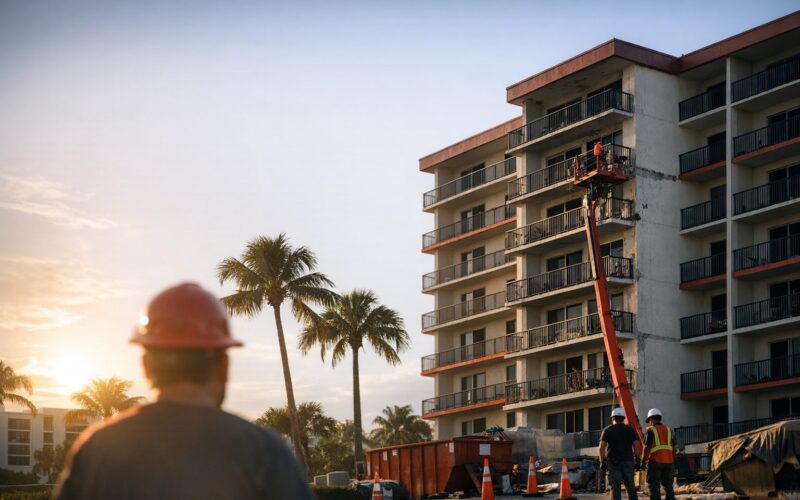
Condo Ground Floor Flooding: Who Pays — Owner or HOA?
🌊 Did you know ground-floor flooding in condos can lead to tricky liability questions? It's important to know how responsibility is split between you and your HOA. Here's what to consider...
Water Damage
September 20, 2026 · 6 min read
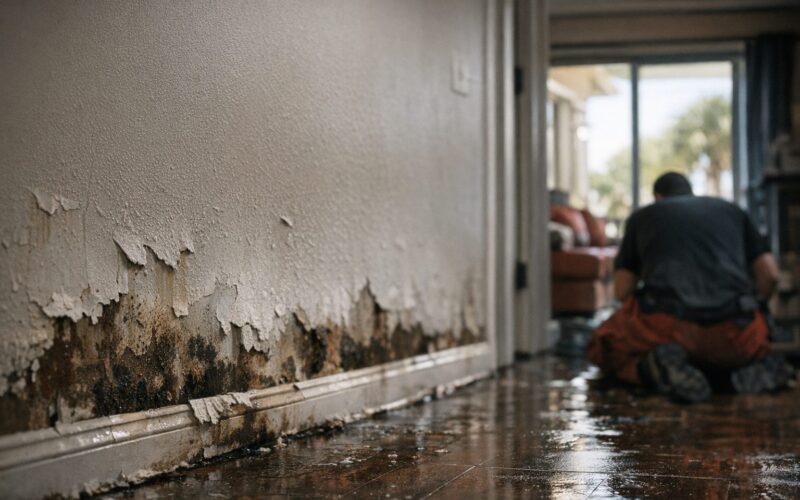
Flood Damage Is Not Water Damage: The Insurance Distinction That Costs Thousands
⚠️ Did you know flood damage and water damage are treated differently by insurance? This could cost you thousands if you aren't properly covered. Here's what you need to know...
Water Damage
September 15, 2026 · 6 min read
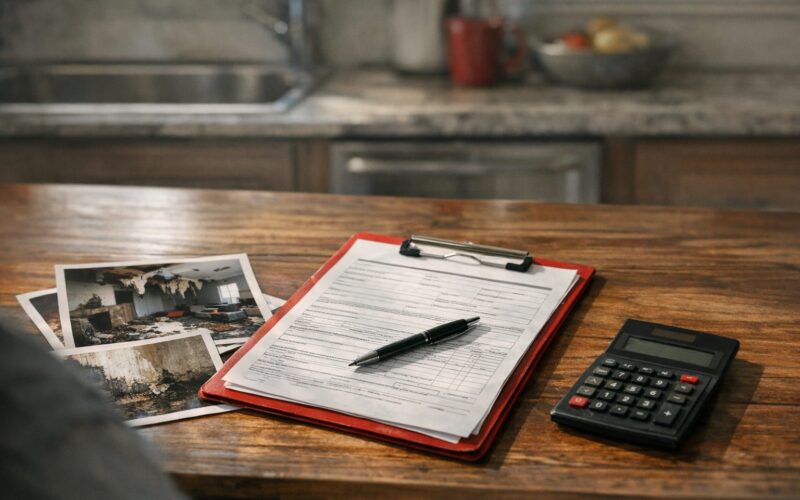
Flood Insurance Elevation Certificates: What They Are and Why They Matter
🏠 Did you know an elevation certificate can save you thousands on flood insurance? It’s essential for proving your property meets flood code. Here’s what you need to know about getting one!