Can Your Belongings Be Saved After Storm Surge?
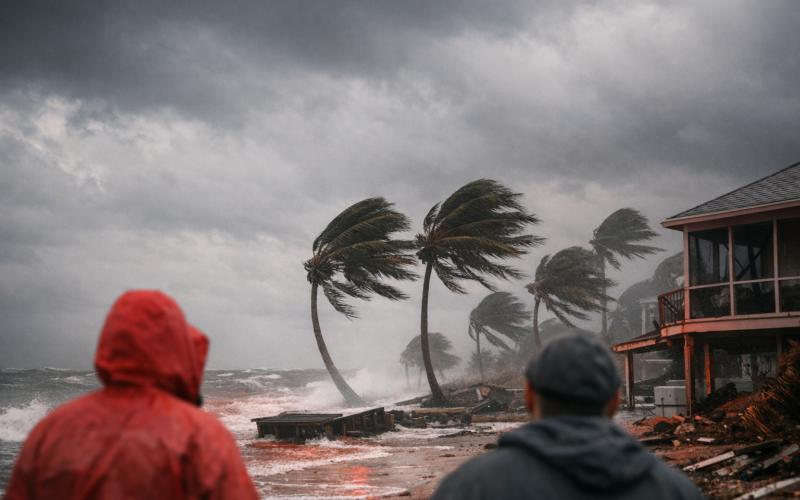
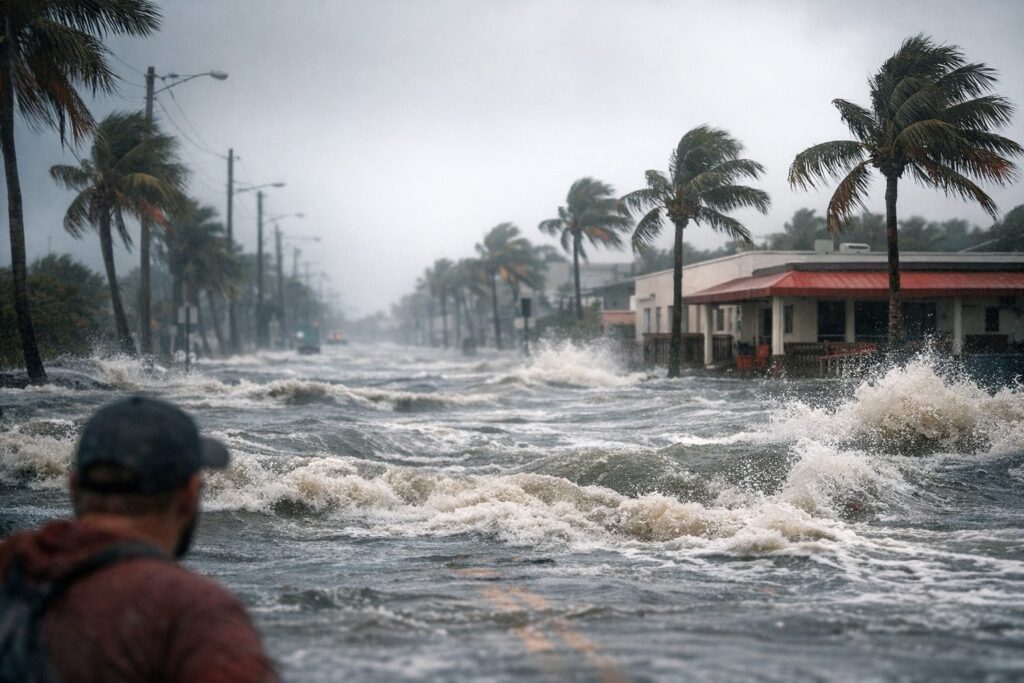
Storm surge is the most destructive force a hurricane brings to coastal Southwest Florida. When saltwater mixed with sewage, chemicals, and debris pours through your home, it feels like everything is lost. After Hurricane Ian’s devastating surge hit Fort Myers Beach, Sanibel, and Pine Island in 2022, and after Hurricanes Helene and Milton impacted Sarasota’s barrier islands in 2024, thousands of homeowners across Lee, Sarasota, Charlotte, and Collier counties faced the heartbreaking task of sorting through water-logged possessions.
The truth is more nuanced than “everything is ruined.” Some items can be professionally restored. Others must be discarded for health and safety reasons. After 20+ years of storm damage restoration across Southwest Florida, our technicians at WrightWay Emergency Services have learned exactly where that line falls — and we have helped countless families save items they assumed were beyond hope. Knowing the difference and acting quickly can save irreplaceable items and significantly reduce the financial burden of replacing everything.
Understanding Storm Surge Contamination
Storm surge floodwater is classified as Category 3 (grossly contaminated) water under IICRC S500 standards. It contains raw sewage, pesticides, petroleum products, saltwater, bacteria, viruses, and sediment. This contamination level determines what can and cannot be salvaged.
The critical distinction is between porous and non-porous materials. Non-porous items (glass, metal, hard plastic) can be cleaned because contaminants sit on the surface. Porous materials (fabric, foam, particle board, carpet padding) absorb contaminants into their structure, making complete decontamination impossible — a health requirement established by the IICRC.
What Can Typically Be Saved
Hard, Non-Porous Items
- Glass, ceramic, and china: Wash thoroughly and sanitize with a bleach solution (1 tablespoon per gallon of clean water). Fine china, crystal, and heirloom pieces respond well to professional ultrasonic cleaning.
- Metal cookware: Stainless steel, cast iron, and aluminum can be cleaned, sanitized, and re-seasoned. Discard any cookware with non-stick coatings that show damage.
- Solid wood furniture: High-quality hardwood (oak, maple, mahogany, teak) can often be cleaned, slowly dried in a controlled environment, and professionally refinished. The key is slow, even drying — rapid drying causes warping and cracking. Veneer and pressed-wood furniture cannot be saved because the substrate swells and delaminates.
- Jewelry and coins: Most metal jewelry can be cleaned by a professional jeweler. Pearls and porous gemstones (opals, turquoise) may sustain permanent damage from saltwater.
- Hard plastic items: Wash and sanitize thoroughly. Most hard plastic items recover fully.
Documents and Photographs
These are often the most emotionally valuable items in a home, and they are among the most time-sensitive to salvage.
- Photographs: If treated within 24-48 hours, carefully separate photos (do not peel apart — soak in clean water to separate), rinse gently in clean water, and lay flat on absorbent paper to air dry, image side up. Do not use a hair dryer or place in direct sunlight. Professional photo restoration services can digitally repair staining and water damage on dried prints.
- Important documents: Rinse in clean water and freeze immediately in a standard home freezer if you cannot dry them right away. Freezing halts deterioration and mold growth. Professional freeze-drying services (vacuum sublimation) can preserve documents, books, and legal papers that would otherwise be destroyed. Many content restoration companies maintain freeze-drying capacity specifically for disaster recovery.
Electronics
- Do not power on any submerged device. Powering on a wet electronic device causes short circuits that create permanent, irreversible damage. The data may still be recoverable if the device is not powered on.
- Hard drives and storage media: Data recovery specialists can often retrieve data from water-damaged drives — even from saltwater exposure — if treated professionally. Keep the drive in a sealed bag with a damp paper towel (do not let it dry out completely) until professional treatment.
- Appliances: Major appliances (refrigerators, washers, dryers, dishwashers, HVAC equipment) submerged in storm surge generally must be replaced. The electrical components, insulation, and control boards are compromised beyond economical repair. Your insurance claim should include replacement cost for these items.
What Must Be Discarded
These items cannot be adequately decontaminated after exposure to Category 3 floodwater. Attempting to salvage them creates ongoing health risks for your family.
- Mattresses, pillows, and box springs — foam and fabric absorb contaminants permanently
- Upholstered furniture (couches, recliners, fabric chairs) — padding cannot be decontaminated
- Carpet and carpet padding — padding especially traps bacteria and cannot be sanitized
- Particle board, MDF, and laminate furniture — these materials swell, delaminate, and harbor mold
- Stuffed animals and soft toys
- Cosmetics, medications, and personal care products
- All food items that contacted floodwater, including canned goods with damaged seals
- Drywall, insulation, and carpet padding that was submerged — these building materials are part of the structural restoration, not content salvage
Professional Content Restoration Techniques
WrightWay documents every loss to insurance standards, photos, moisture logs, and itemized scopes your adjuster can approve without back-and-forth.
Professional content restoration uses specialized equipment far beyond household cleaning supplies.
- Ultrasonic cleaning: High-frequency sound waves remove contamination from every surface and crevice, reaching areas manual cleaning cannot
- Ozone and hydroxyl treatment: Breaks down odor-causing molecules at the molecular level
- Freeze-drying (vacuum sublimation): Removes moisture from documents, photographs, and artwork without warping or further damage
- Textile restoration: Commercial laundering with hospital-grade sanitizing agents and ozone treatment can save clothing, drapes, and linens
- Electronic decontamination: Specialized circuit board cleaning in controlled environments by data recovery specialists
Documenting Contents for Your Insurance Claim
Your personal property claim (Coverage C on your homeowner’s policy, or contents coverage on your flood policy) can represent tens of thousands of dollars. Thorough documentation is essential.
- Photograph every damaged item before moving or cleaning it — include wide shots showing the item in context and close-ups showing damage
- Create a written inventory with descriptions, approximate age, purchase price (if known), and estimated replacement cost
- Save receipts, manuals, warranty cards, or any proof of purchase
- Keep a representative sample of each category of damaged goods for your adjuster to inspect
- Do not throw everything away immediately — photograph and document extensively first. Once items are in the debris pile, you cannot document them for your claim.
- Use a spreadsheet or inventory app to organize your list — adjusters process well-organized claims faster
Upload all documentation to cloud storage immediately for your insurance claim.
Time Is Critical: Act Within 48 Hours
Salvageability decreases rapidly in Florida’s heat and humidity. Photos stuck together for more than 48 hours may be permanently fused. Metals corrode from saltwater exposure within hours. Wood furniture warps and cracks if not dried properly in a controlled environment. Mold colonizes wet textiles within 24-48 hours, converting salvageable clothing into hazardous waste.
If you cannot address content salvage yourself, a professional pack-out service can remove salvageable items, transport them to a climate-controlled facility, and begin restoration while your home undergoes structural repair.
WrightWay Coordinates Your Full Recovery
WrightWay Emergency Services (CBC license #CBC1253650, IICRC-certified) provides complete storm damage restoration including coordination of content pack-out, professional cleaning, climate-controlled storage, and return delivery once your home is restored. We inventory your belongings, coordinate with specialized content restoration vendors, and document everything for your insurance claim — both your homeowner’s and flood policies.
When storm surge devastates your home, call us at (941) 379-8669. We handle the structure, the contents, and the insurance — so you can focus on what matters most. Available 24/7 across Sarasota, Fort Myers, Cape Coral, Naples, and all of Southwest Florida.
WrightWay handles every restoration job from emergency response through licensed reconstruction.
One IICRC-certified team, one project manager, one phone call. Available 24/7 across Sarasota, Manatee, Charlotte, Lee, and Collier counties.
Add us as a preferred source and our storm updates, claim guides and restoration answers show up higher when you search.