

Crews Available Now - 24/7
Environmental
Raccoon Droppings & Latrine Cleanup
Specialized raccoon latrine cleanup with Baylisascaris-safe protocols and full structural decontamination.
24/7 live dispatch
Insurance-ready documentation
Residential + commercial response
Service Overview
What to expect from our Raccoon Droppings & Latrine Cleanup team
First Priority
Protect the property, control the damage, and document the condition accurately.
Typical Conditions
Residential, multifamily, HOA, and commercial losses that need a fast, orderly response.
Project Flow
Clear communication from emergency stabilization through the next recovery phase.

Raccoon Droppings & Latrine Cleanup in Southwest Florida
Raccoons habitually return to the same spot to defecate, building up communal “latrines” in attics, crawlspaces, garages, sheds, on flat roofs, in wood piles, on patios, and at the base of trees. In Southwest Florida, where raccoons remain active year-round and find ample food in residential neighborhoods, latrine sites can accumulate over months or years before discovery. WrightWay Emergency Services provides specialized raccoon latrine cleanup, structural decontamination, and contaminated-material removal across Sarasota, Bradenton, Fort Myers, Naples, and the surrounding communities, performed under Baylisascaris-aware protocols by trained, fully PPE-equipped technicians.
Why Raccoon Droppings Are a Serious Health Hazard
The headline risk is Baylisascaris procyonis – the raccoon roundworm. Eggs shed in raccoon feces become infectious after a 2–4 week incubation, are extremely resilient (surviving years in dry conditions), and resist most household disinfectants. When ingested or inhaled by humans, larvae can migrate to the eyes, brain, and central nervous system, causing severe neurological disease. Children playing in contaminated areas and pets that investigate latrine sites are at highest risk. Other documented risks include leptospirosis from urine, salmonella, E. coli, giardia, and rabies exposure if a live raccoon is encountered.
Why DIY Latrine Cleanup Is Dangerous
Standard cleaning products do not kill Baylisascaris eggs. Pressure washing aerosolizes them. Vacuuming distributes them. Even bleach at typical household concentrations is ineffective. Proper remediation requires either flame treatment (only on appropriate non-flammable surfaces by trained operators), removal of contaminated material, or extended exposure to specific high-concentration disinfectants – all done with PPE that prevents inhalation and skin contact.
1. Site Assessment
Technicians identify the latrine location, contamination depth, structural penetration (insulation, plywood decking, drywall), and any signs of active raccoon access. We check attics, crawlspaces, exterior eaves, and surrounding yard areas. Active raccoons trigger a coordination call with a licensed FL wildlife removal partner – cleanup follows confirmed exclusion.
2. Containment & PPE
HEPA-filtered negative-air containment isolates the work area. Crew wear Tyvek suits, P-100 respirators, eye protection, and disposable nitrile gloves. PPE is removed and bagged at a controlled doffing zone before exiting the work area.
3. Controlled Removal
Latrine material and contaminated insulation are misted to suppress aerosolization, then bagged in contractor-grade poly bags and double-sealed for regulated-waste disposal. Where structural materials (plywood decking, drywall, framing) show staining or penetration, they are removed in segments.
4. Decontamination
Where surfaces cannot be removed, decontamination uses heat treatment (steam or, on appropriate surfaces, controlled flame by trained operators) or extended-dwell EPA-registered antimicrobial application sized for parasitic egg destruction. Encapsulating coatings lock in residual contamination on framing.
5. Insulation Replacement
Contaminated insulation is removed and replaced with new code-spec material. See our attic insulation replacement service for the install scope.
6. Final Verification & Documentation
Final walkthrough, photo log, and a written report including pre-condition, materials removed, treatments applied, and post-cleanup status. Documentation supports insurance, real-estate disclosure, and HOA records.
Insurance & Cost
Raccoon-droppings cleanup is not always covered by standard homeowner policies, though coverage sometimes applies when contamination follows a covered peril (storm damage opening an attic). WrightWay is the restoration contractor – we provide Xactimate-formatted documentation so you and your adjuster can evaluate coverage. We do not handle the claim. Costs depend on contamination depth, square footage, whether structural materials require removal, and the new-insulation product chosen.
Service Area
WrightWay performs raccoon-droppings cleanup across Sarasota, Bradenton, Venice, Nokomis, North Port, Lakewood Ranch, Punta Gorda, Englewood, Fort Myers, Cape Coral, Estero, Bonita Springs, Naples, Marco Island, and the surrounding communities. Related services: animal waste & contamination, bat guano removal, odor elimination, reconstruction.
Call (941) 379-8669 for 24/7 dispatch.


How It Works
Our Raccoon Droppings & Latrine Cleanup Process
We keep the work moving with a clear response sequence, documented scopes, and one accountable team from the first call through the next phase of recovery.
The first phase is about quickly understanding condition, urgency, and what has to happen first.
Scopes, notes, and photos stay organized so owners, managers, and adjusters stay on the same page.
The plan is structured to reduce handoffs between emergency work, contents support, and rebuild decisions.
Step 01
Site Assessment
Latrine identification, contamination depth, and active-raccoon coordination if needed.
Step 02
Containment & PPE
HEPA negative air, full P-100 PPE, controlled doffing zone.
Step 03
Controlled Removal
Wet-down, bag, and dispose latrine material and contaminated insulation.
Step 04
Decontamination
Heat or extended-dwell antimicrobial; encapsulating coating where needed.
Step 05
Insulation Replacement
Code-spec new insulation installed after decontamination.
Step 06
Verification
Photo log and written clearance report for insurance and disclosure.
Common Questions
Frequently Asked Questions
Common timing, documentation, and service questions answered in a clearer format so owners and managers can make confident decisions faster.
Fast response guidance
Insurance-aware answers
Local service expectations
Mold can begin to grow on damp surfaces in as little as 24 to 48 hours under the right conditions. Florida’s warm, humid climate accelerates this timeline significantly, which is why rapid water extraction and structural drying are critical after any water event. If you suspect mold growth following water damage, call WrightWay at (941) 379-8669 for a professional assessment.
While not every species of mold is toxic, all mold growth indoors should be taken seriously. Even common molds can trigger allergic reactions, asthma attacks, and respiratory irritation, especially in children, the elderly, and individuals with compromised immune systems. WrightWay recommends professional testing and remediation any time visible mold covers an area greater than ten square feet or when musty odors persist.
Mold removal refers simply to eliminating visible mold, while mold remediation is a comprehensive process that includes containment, air filtration, removal of contaminated materials, antimicrobial treatment, and moisture control to prevent recurrence. WrightWay follows IICRC S520 standards for mold remediation, which means we address both the mold itself and the underlying moisture source that allowed it to grow in the first place.
WrightWay coordinates with independent, certified industrial hygienists to conduct air-quality sampling and surface testing that identifies the type and concentration of mold spores present. Independent testing ensures unbiased results that are accepted by insurance companies and regulatory agencies. Based on the lab results, we develop a targeted remediation plan specific to your property.
Small areas of mold on non-porous surfaces, typically less than ten square feet, can sometimes be cleaned with household products. However, larger infestations, mold behind walls, and mold on porous materials like drywall and insulation require professional remediation to ensure complete removal and proper containment. Improper DIY cleanup can actually spread mold spores to unaffected areas of your home, making the problem worse.
Florida’s high humidity, frequent rain, and warm temperatures create an ideal environment for mold growth year-round. Common indoor causes include plumbing leaks, poor ventilation in bathrooms and attics, air conditioning condensation issues, and water intrusion from storms. Maintaining indoor humidity below 60 percent and addressing leaks promptly are the most effective ways to keep mold from taking hold in your Southwest Florida home.
Preventing mold recurrence starts with eliminating the moisture source that caused the original growth. WrightWay identifies and repairs the underlying issue, whether it is a roof leak, plumbing failure, or HVAC deficiency, as part of every remediation project. We also apply antimicrobial treatments to affected surfaces, recommend proper ventilation improvements, and can install dehumidification solutions to keep humidity levels in check long after our work is complete.
Insurance
Insurance Claims Assistance
WrightWay coordinates directly with your insurance company - Xactimate estimates, adjuster meetings, documentation, and supplemental claims. One less thing to worry about.
- Xactimate estimates in insurance-standard format
- Direct adjuster coordination and scope agreement
- Complete photo and moisture documentation
- Supplemental claims for hidden damage
Free Inspection
Stabilize the Loss. Carry the Project Forward.
Tell us what happened and we’ll help you understand the next move, whether you need emergency mitigation, a rebuild plan, or both. If the situation cannot wait, call (941) 379-8669 for immediate dispatch.
24/7
Live dispatch
1 team
Mitigation to rebuild
Homes + commercial
Property types served
Free on-site inspection
Insurance coordination support
Residential and commercial response
- Clear recommendations based on the actual condition of the property
- Documentation and scopes built for adjusters, owners, and property managers
- One accountable team from emergency work through reconstruction when needed
Need help right now?
(941) 379-8669
Talk with a live coordinator about the damage, property type, and what we should prepare before arrival.
Request an Assessment
Share the basics and we’ll take it from there.
We use this information to route the right team, equipment, and response plan before we arrive.
Prefer to talk first?
Call (941) 379-8669 and we can help triage the property before you submit the form.
A WrightWay team member will follow up as quickly as possible to confirm the scope and next steps.
Used to route the right crew and scope
A real WrightWay coordinator follows up
Call instead if the situation cannot wait
Google Reviews
Robert Amann
a month ago
While having a new air conditioning unit installed in our condo, the technician accidentally set off the fire sprinkler head above the air handler unit in the closet. This caused massive flooding in our condo as well as the two units below us. Wrightway was notified immediately by our management company, wrightway activated an emergency response and they were on site within 40 minutes of the incident taking place. Upon their arrival, they began the clean up immediately with six employees and some managers on site. They began to extract water from our condo within 1 hour of the incident and began the process of drying out and mold mitigation of our condo and the two below us with high tech drying equipment. They responded for the next five days to check the drying out process in our condo as well as the two condos below us to make sure the process was working. After five days the drying equipment was removed and we were ready for the rebuild. The day of the incident, Wrightway removed every baseboard from the wall, cut out wet carpet padding and removed all appliances to expedite the drying process. Wrightway completed the rebuild and restoration of our condo in five days. The work and workmanship by the Wrightway employees was outstanding. The communication with Wrightway management team was excellent, they explained every part of the process and what was going to happen next which kept our anxiety level under control during this very trying time. During the five day rebuild the Wrightway employees arrived on time and were very pleasant and polite. They were all extremely accommodating to our needs during this very difficult time. I want to personally thanks these Wrightway employees as well as the unmentioned ones for a job well done, all of you went above and beyond. Chuck Mussa, Jeff Vargo, Lauren Zweifel, Csaba Sumegi, Fernando Hurtado and Teresa Dias.
Verify on Google →Irene Pultorak
2 months ago
I wanted to take a moment to express my sincere gratitude for the exceptional work you’ve done on the repair work to the trusses above my condo unit. From start to finish, Derrick Hayes and his team, Roberto, Antonio & Victor showed professionalism, attention to detail, and commitment to quality that have been evident in every step. I truly appreciate how you kept the project on track, communicated clearly, and went above and beyond to ensure everything turned out even better than I imagined. It’s rare to find a team that combines skill, reliability, and such a positive attitude — and you delivered all three. Please extend my thanks to everyone involved. Your hard work has made a real difference, and I’m grateful to have had the chance to work with such a dedicated group. I will look forward to the next phase of repairs to the inside of my home in the coming weeks. Wishing you continued success in all your future projects. Warm regards,
Verify on Google →Patricia Mastrorilli
5 months ago
We had the best experience with Wrightway! We had a flooding incident from our AC system that seeped into the walls and under the laminate flooring. They were prompt, professional and did a great job drying out and cleaning up everything for us! We also had them do the repairs and we were 100% impressed with their work! Everyone we came in contact with in the office and into our home were respectful and knowledgeable. They worked with us on a great price! We can't say enough about a great experience during a stressful time! A special shout out to Alicia who was great to work with! Thank you all so much!
Verify on Google →Resources
Related Articles
Helpful reads for owners and managers who want more context around raccoon droppings & latrine cleanup, response timing, and the decisions that shape the recovery plan.
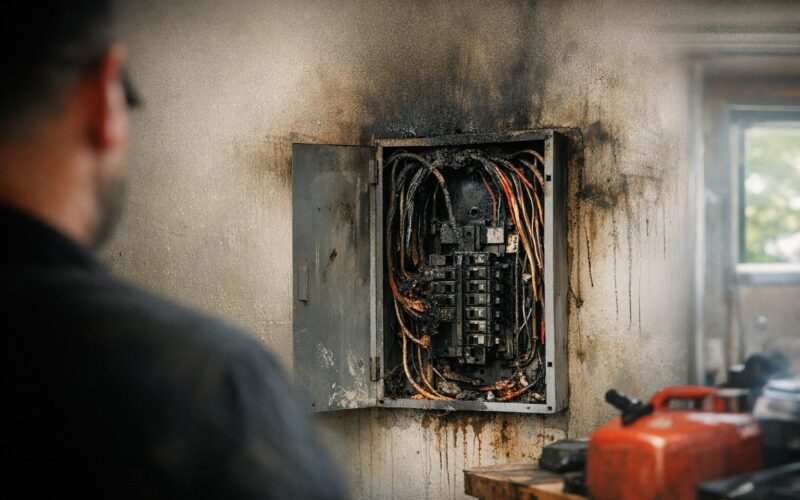
Fire Damage
August 6, 2026 · 5 min read
Electrical Panel Upgrades: Preventing Fire in Older Florida Homes
🔥 Did you know outdated electrical panels can spark house fires? Florida homes are particularly at risk! Discover the warning signs and which panels to avoid. Here's what to look out for...
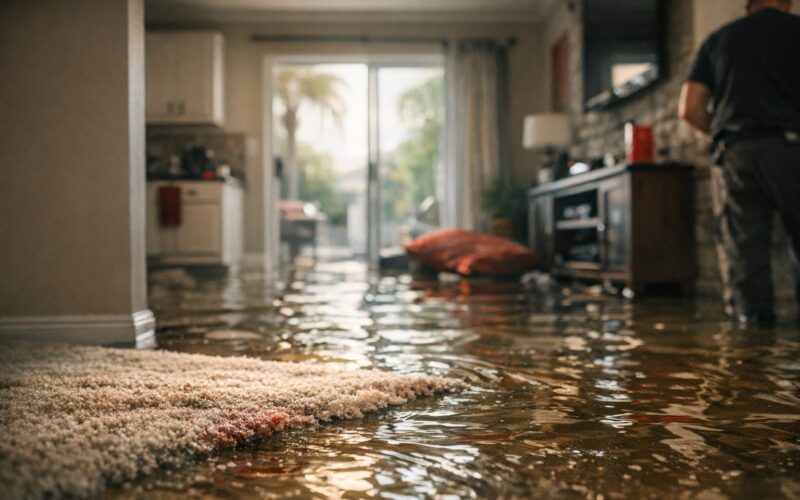
Water Damage
August 5, 2026 · 6 min read
How to Dry Out a Flooded House: Complete Step-by-Step Guide
🌊 Did you know drying out a flooded house takes more than just fans and open windows? Discover the essential steps, equipment, and common pitfalls to avoid. Here's what you need to know to protect your home!
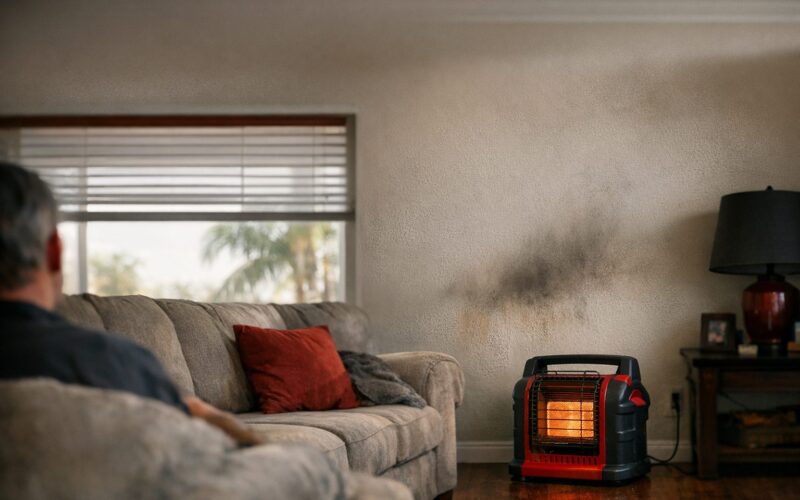
Fire Damage
August 2, 2026 · 5 min read
Space Heater Safety in Florida: Cold Snap Fire Risks
🔥 Did you know improper use of space heaters can lead to deadly fires? As Florida faces cold snaps, it’s crucial to know safe practices. Here's what to do to keep your home safe this winter!

Emergency Response
Need Emergency Restoration?
Our team is standing by 24/7 to help stabilize the property, document the loss, and move the job forward fast.
- 24/7 live dispatch and emergency response
- Insurance-ready documentation and coordination
- Mitigation, contents, and rebuild under one roof