Barrier Island Storm Surge: The Extreme Risk of Living on SW Florida’s Keys
Southwest Florida’s barrier islands — Siesta Key, Longboat Key, Anna Maria Island, Lido Key, Casey Key, Manasota Key, and others — are among the most desirable addresses in the state. White sand beaches, Gulf sunsets, and a relaxed coastal lifestyle draw residents and investors from across the country. But these narrow strips of land face the most extreme storm surge risk of any properties in the region.
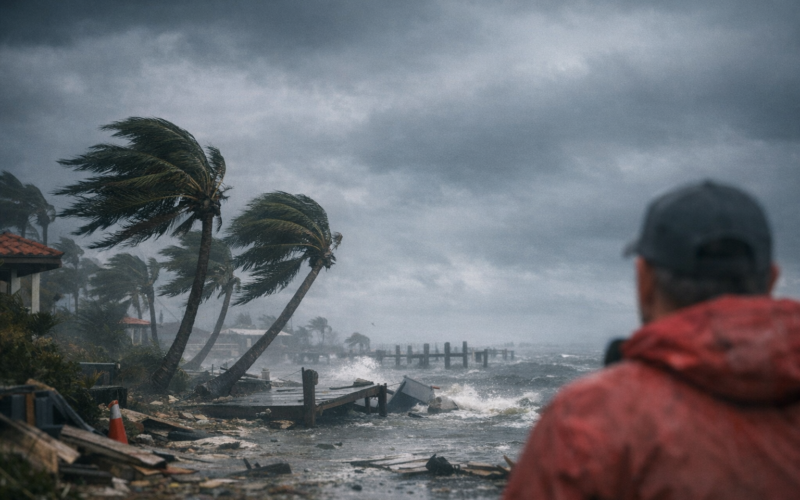
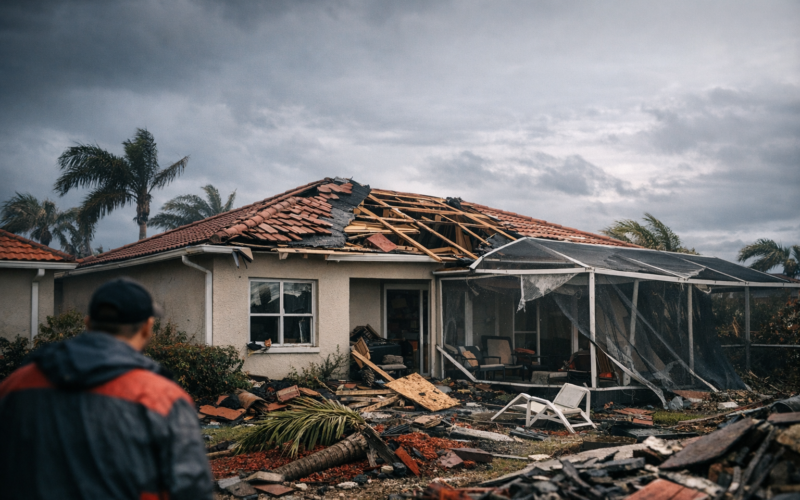
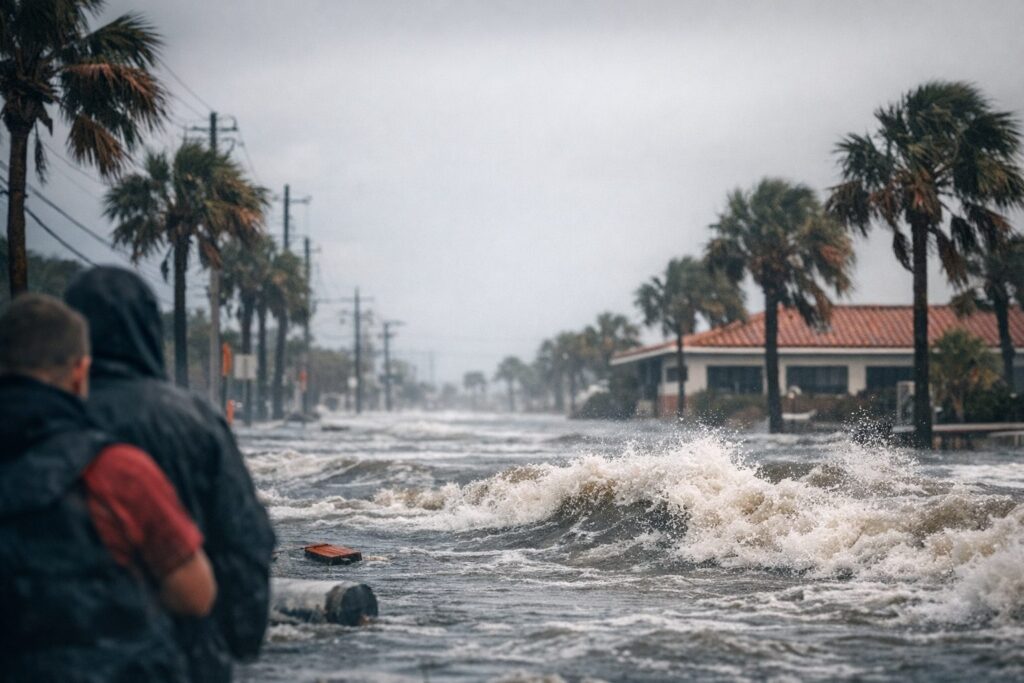
Hurricane Helene (2024) and Hurricane Milton (2024) provided a devastating reminder. Storm surge from Helene reached 5-8 feet across portions of Siesta Key and Anna Maria Island — from a storm that made landfall more than 150 miles to the north. Hurricane Milton followed two weeks later with additional surge, wind damage, and flooding that compounded the devastation. Homes that had just begun cleanup from Helene were hit again before restoration could even begin.
After restoring barrier island properties across Sarasota and Manatee counties following both storms, WrightWay Emergency Services has extensive firsthand experience with the unique challenges these properties face. This guide explains why barrier islands are so vulnerable and what property owners must know.
Why Barrier Islands Are So Vulnerable
- Low elevation: Most properties sit 5-10 feet above sea level. A Category 3 hurricane can produce 9-12 feet of surge — higher than the land itself. Many older homes were built at grade before modern elevation codes.
- Narrow width: Most SW Florida barrier islands are less than a mile wide. Surge can wash entirely across the island, hitting properties from both sides.
- Limited escape routes: One or two bridges per island, which close when sustained winds reach 39 mph and may be damaged after the storm. After Hurricane Ian, several Lee County barrier island bridges were impassable for weeks.
- Surge from both sides: Depending on the hurricane’s track, surge can come from the Gulf, the bay, or both simultaneously. Bay-side surge is often overlooked but can be just as destructive.
- Cumulative beach erosion: Each storm removes protective sand dunes that buffer properties from surge. A property that survived one hurricane may be far more exposed to the next if the dune line has eroded.
Island-Specific Risk Profiles
Siesta Key
Approximately 5 miles long, connected by two bridges, 0.3 to 0.7 miles wide. Entire island is in FEMA zones VE and AE. Maximum expected surge exceeds 15 feet in a worst-case scenario. Most vulnerable areas include the south end, bay-side properties on Midnight Pass Road, and Siesta Key Village which sits at one of the island’s lowest elevations. Hurricane Helene (2024) flooded ground-floor properties across much of the island. Our crews responded to significant damage in all three areas. Many Siesta Key condominiums built in the 1970s-1980s have ground-level units and mechanical equipment at or below current base flood elevation — all of which flooded.
Anna Maria Island
Approximately 7 miles long with three municipalities: Anna Maria, Holmes Beach, and Bradenton Beach. Connected by the Manatee Avenue Bridge and Cortez Bridge. Entire island in VE and AE zones. The northern tip is the narrowest and most exposed section, with some areas only 300-400 yards wide. Significant historic building stock predates modern elevation and wind code requirements, with many properties sitting directly on grade — meaning even moderate surge events cause interior flooding.
Longboat Key
Approximately 10 miles long, straddling Sarasota and Manatee counties. Connected only through other barrier islands at both ends, meaning Longboat Key can be completely isolated if bridges are damaged. Entire island in VE and AE zones. High concentration of multi-million dollar waterfront properties and mid-rise condominiums, with ground-floor parking, lobbies, and mechanical equipment extremely vulnerable to surge. Financial exposure per property is among the highest in the region.
Other Vulnerable Islands
Lido Key, Casey Key, Manasota Key, Fort Myers Beach, Sanibel, and Captiva share similar risk profiles. Fort Myers Beach and Sanibel were devastated by Hurricane Ian’s 12-18 foot surge in 2022. Casey Key, one of the narrowest barrier islands in the region, is particularly vulnerable to complete overwash during major storms.
Storm Surge Estimates by Category
| Hurricane Category | Estimated Surge on Barrier Islands | Expected Impact |
|---|---|---|
| Category 1 | 3-5 feet | Ground-floor flooding in low areas, beach erosion |
| Category 2 | 5-8 feet | Widespread ground-floor flooding, vehicles submerged |
| Category 3 | 8-12 feet | Most ground-floor structures flooded, structural surge damage, possible overwash |
| Category 4 | 12-18 feet | Second-floor flooding in many structures, catastrophic damage |
| Category 5 | 15-20+ feet | Total destruction of most structures at or near grade, severe damage to elevated structures |
Hurricane Helene demonstrated that even a hurricane making landfall 150+ miles north can produce significant local surge due to the concave shape of Florida’s Gulf coastline. Sarasota County was not in Helene’s direct path, yet barrier islands experienced surge comparable to a direct-hit Category 1. Barrier island residents must prepare for distant storms, not just storms aimed directly at them.
Evacuation Is Not Optional
WrightWay documents every loss to insurance standards, photos, moisture logs, and itemized scopes your adjuster can approve without back-and-forth.
For barrier island residents, evacuation is the most important step. No building hardening will protect you from 8-15 feet of storm surge. Surge is the leading cause of hurricane deaths, and barrier islands are ground zero.
Evacuation Planning
- All barrier island properties are in Evacuation Zone A — the first zone ordered to evacuate. When Zone A is recommended, leave immediately.
- Leave early. Bridges close when sustained winds reach 39 mph. Plan to be off the island 12-24 hours before closest approach. Bridge traffic during evacuation can add hours to a normally 5-minute crossing.
- Have a destination planned — inland friend/family, hotel east of I-75, or public shelter. Book reservations early.
- Prepare your property: Install shutters, move valuables to the highest floor, turn off utilities, take irreplaceable items and documents with you.
- Document everything before leaving with a thorough walk-through video for your insurance claim.
Recovery After Barrier Island Storm Surge
Saltwater surge is far more destructive than freshwater flooding. Salt corrodes metal, destroys electrical systems, and makes remediation more intensive. All affected materials require professional remediation as Category 3 (grossly contaminated) water per IICRC S500 standards.
In our experience restoring barrier island properties, saltwater damage typically requires 20-30% more demolition and longer drying times than equivalent freshwater flooding. Salt residue left after water recedes continues attracting moisture from the humid coastal air, creating persistent dampness. Thorough rinsing of all structural surfaces with clean water before drying is essential — a step less experienced restoration companies often skip.
WrightWay Emergency Services (CBC license #CBC1253650, IICRC-certified) has extensive experience restoring barrier island properties after hurricane surge across Siesta Key, Longboat Key, Anna Maria Island, Lido Key, and Casey Key. Our storm damage restoration services include:
- Emergency board-up and stabilization
- Saltwater flood damage extraction and remediation
- Complete selective demolition of surge-damaged materials
- Salt residue rinsing and decontamination of structural surfaces
- Structural drying with commercial-grade equipment and daily moisture readings
- Mold prevention and remediation per IICRC S520 protocols
- Full reconstruction to pre-storm condition
- Complete insurance claims documentation with Xactimate estimates and photo evidence
Protect Your Barrier Island Investment
Living on a barrier island comes with the responsibility to understand the risks, carry adequate insurance (including flood insurance with sufficient limits for high-value coastal properties — NFIP’s $250,000 maximum may not be enough), have an evacuation plan you will actually follow, and know who to call when damage occurs.
Call WrightWay Emergency Services at (941) 379-8669 for 24/7 storm damage response across all of SW Florida’s barrier islands and mainland communities. When surge threatens the coast, WrightWay provides the professional, documented restoration that protects your investment and gets you home. Available 24 hours a day, 7 days a week.
WrightWay handles every restoration job from emergency response through licensed reconstruction.
One IICRC-certified team, one project manager, one phone call. Available 24/7 across Sarasota, Manatee, Charlotte, Lee, and Collier counties.