When Allergies Are Not Really Allergies
Your child has had a persistent cough for weeks. Your spouse keeps getting sinus infections. You wake up every morning with a headache that fades after you leave for work. You have been to the doctor, tried allergy medications, and nothing seems to fully resolve the symptoms. If this sounds familiar, there is a possibility that many Florida families overlook: mold in your home may be the cause.
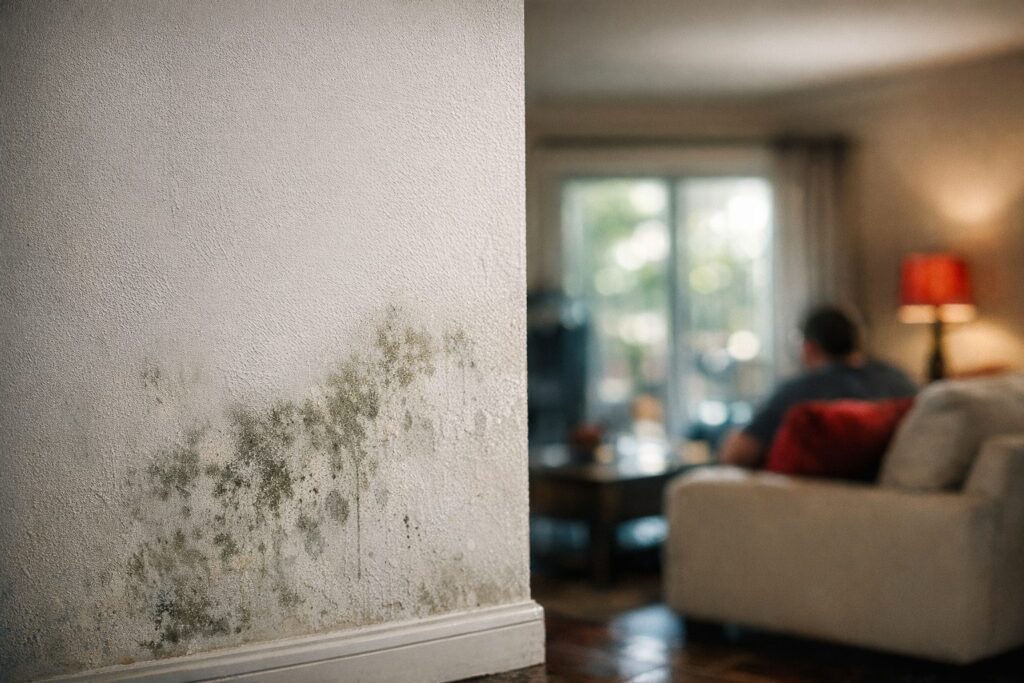
Mold-related health symptoms are frequently misdiagnosed as seasonal allergies, recurring colds, or chronic sinus conditions because the symptoms overlap significantly. The critical difference is that mold symptoms follow a pattern tied to the home — they worsen when occupants are inside and improve when they are away. Recognizing this pattern is the first step toward identifying a hidden mold problem.
How Mold Affects Your Health
Mold affects health through several mechanisms, and the severity depends on the type of mold, the concentration of exposure, the duration of exposure, and the individual’s sensitivity.
Allergenic Responses
The most common health effect of mold exposure is an allergic reaction. Mold spores and fragments are potent allergens that trigger the immune system in sensitized individuals. Approximately 10 percent of the general population and up to 25 percent of people with allergies are sensitized to mold allergens. Allergic responses include:
- Sneezing and nasal congestion
- Runny nose with clear discharge
- Itchy, watery, or red eyes
- Postnasal drip
- Itchy throat or ears
- Skin rash or hives
Respiratory Effects
Mold exposure can irritate and inflame the respiratory system even in people who are not specifically allergic to mold. This is particularly common with prolonged exposure to elevated spore concentrations. Respiratory symptoms include:
- Persistent cough, especially at night or upon waking
- Wheezing or shortness of breath
- Chest tightness
- Worsening or new-onset asthma
- Recurring bronchitis or upper respiratory infections
- Sinus pressure and recurring sinusitis
Irritant Effects
Mold produces microbial volatile organic compounds (MVOCs) — the chemicals responsible for the musty smell. These compounds can irritate mucous membranes and cause:
- Headaches
- Fatigue and difficulty concentrating
- Eye irritation and burning
- Nose and throat irritation
- Nausea
Toxic Effects
Certain mold species, including Stachybotrys chartarum (black mold), produce mycotoxins — toxic secondary metabolites. While the health effects of mycotoxin exposure in residential settings are debated in the medical community, documented symptoms associated with mycotoxin-producing molds include:
- Persistent fatigue
- Cognitive difficulties (memory, concentration, word-finding)
- Neurological symptoms (numbness, tingling, dizziness)
- Joint and muscle pain
- Gastrointestinal symptoms
It is important to note that not all mold exposure leads to toxic effects. Mycotoxin-producing mold species are less common than allergenic species, and the dose matters. However, chronic exposure in an enclosed home environment is a legitimate health concern that warrants investigation.
Who Is Most at Risk?
While mold can affect anyone, certain groups are more vulnerable to health effects from mold exposure:
| Group | Why They Are More Vulnerable |
|---|---|
| Infants and young children | Developing immune and respiratory systems; spend more time on floors where spores settle |
| Elderly adults | Declining immune function; often have pre-existing respiratory conditions |
| People with asthma | Mold is a known asthma trigger; can cause severe exacerbations |
| People with allergies | More likely to be sensitized to mold allergens |
| Immunocompromised individuals | Chemotherapy, organ transplant, HIV/AIDS, autoimmune medications increase susceptibility to invasive mold infections |
| People with chronic lung disease | COPD, cystic fibrosis, and other lung conditions increase vulnerability |
The Home-Away Pattern: The Telltale Sign
The strongest indicator that mold is causing health symptoms is the home-away pattern. Ask yourself and your family members these questions:
- Do symptoms improve after being away from home for several hours or days (work, school, vacation)?
- Do symptoms return or worsen within hours of coming home?
- Are symptoms worse in the morning after sleeping in the home all night?
- Are symptoms worse in certain rooms or areas of the house?
- Are multiple family members experiencing similar symptoms?
- Did symptoms start or worsen after a water damage event, renovation, or seasonal change?
If you answered yes to several of these questions, mold exposure is a strong possibility and warrants investigation.
What to Do If You Suspect Mold Is Causing Health Issues
Licensed mold remediation with containment, HEPA filtration, and clearance-ready documentation. Get a real price range before anyone starts cutting drywall.
If you believe mold in your Florida home is affecting your family’s health, take these steps in order:
1. See Your Doctor
Describe your symptoms and mention the home-away pattern. Ask about mold allergy testing (skin prick test or blood test for mold-specific IgE antibodies). If you have respiratory symptoms, pulmonary function testing may be appropriate.
2. Test Your Home
Professional mold testing is the only way to objectively determine whether your home has elevated mold levels. Indoor air quality testing compares indoor mold spore concentrations to outdoor baseline levels. If indoor levels are significantly higher, an active mold source is present in the home.
3. Locate and Address the Source
If testing confirms elevated mold levels, the next step is locating the source. A professional mold inspector uses moisture meters, thermal imaging, and visual inspection to identify where mold is growing and what moisture source is feeding it.
4. Remediate Professionally
Once the source is identified, professional mold remediation removes the contamination and addresses the underlying moisture problem. Post-remediation clearance testing confirms that indoor air quality has returned to acceptable levels.
5. Monitor Symptoms
After remediation, track whether symptoms improve. Most people experience significant relief within days to weeks of mold removal, though some individuals with prolonged exposure may take longer to recover fully.
Common Misconceptions About Mold and Health
- “Only black mold is dangerous.” False. Many mold species cause allergic and respiratory symptoms. Aspergillus, Penicillium, Cladosporium, and Alternaria are all common allergens that do not appear black.
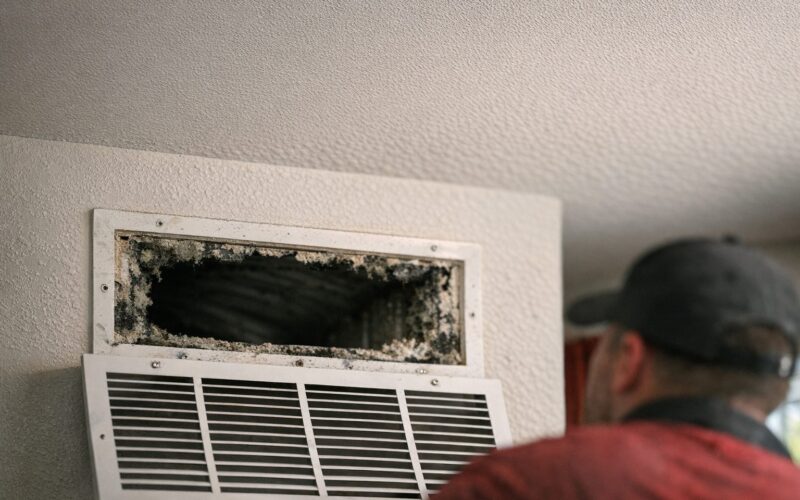
- “If you cannot see mold, it cannot be affecting your health.” False. Hidden mold behind walls, under floors, and in HVAC systems releases spores into the air you breathe without any visible growth.
- “Mold is only a problem for people with allergies.” False. While allergic individuals are more sensitive, high mold spore concentrations can irritate the respiratory system and cause symptoms in anyone.
- “Cleaning visible mold with bleach solves the problem.” False. Bleach kills surface mold but does not address hidden mold, does not remove spores from the air, and does not fix the moisture source.
Protect Your Family — Call WrightWay
If you suspect mold is making your family sick, do not wait for symptoms to worsen. WrightWay Emergency Services provides comprehensive mold testing, inspection, and remediation services across Sarasota, Fort Myers, Naples, and all of Southwest Florida. We work with families to identify mold problems, eliminate them, and restore healthy indoor air quality.
Call us at (941) 379-8669 to schedule a mold inspection. Your family’s health is too important to leave to guesswork.
WrightWay handles every restoration job from emergency response through licensed reconstruction.
One IICRC-certified team, one project manager, one phone call. Available 24/7 across Sarasota, Manatee, Charlotte, Lee, and Collier counties.
Add us as a preferred source and our storm updates, claim guides and restoration answers show up higher when you search.