Fort Myers Beach Recovery: What Is Still Unrestored 3+ Years After Hurricane Ian
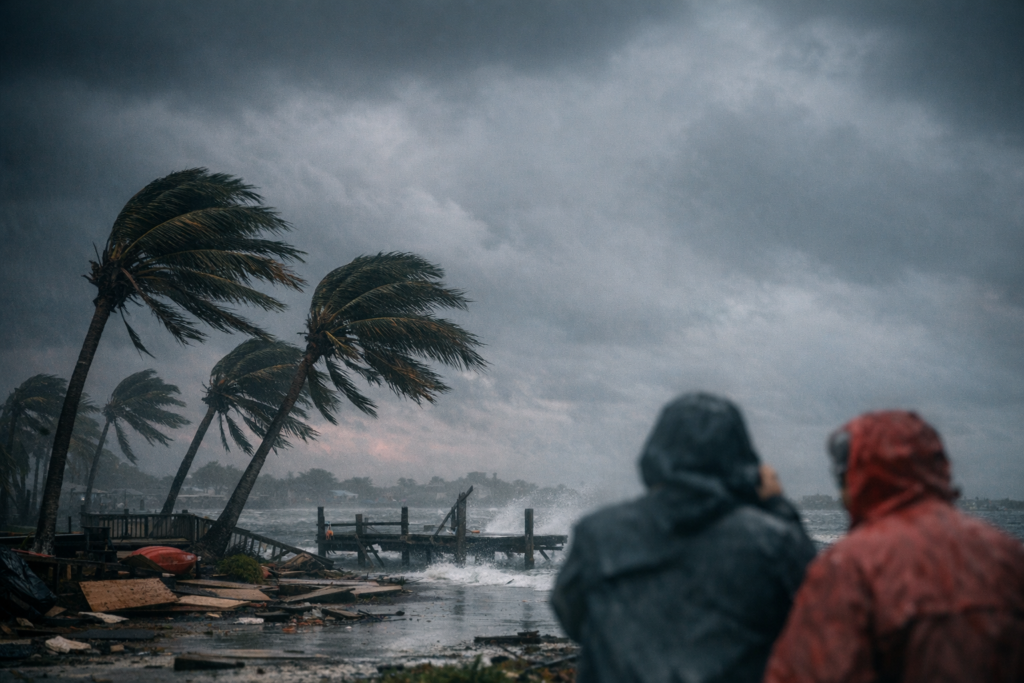
Hurricane Ian made a devastating impact on Lee County when it struck as a Category 4 hurricane on September 28, 2022. With a storm surge exceeding 18 to 20 feet on Fort Myers Beach and more than 130 fatalities confirmed in Lee County alone, Ian stands as one of the deadliest hurricanes ever to hit Southwest Florida. According to NOAA’s official assessment, total damages from Hurricane Ian reached approximately $115 billion across Florida – making it the costliest hurricane in Florida history and the third-costliest in U.S. history. As of 2026, the recovery process in Fort Myers Beach and surrounding Lee County communities continues, marked by both genuine progress and persistent, frustrating challenges.
Current Status of Fort Myers Beach in 2026
In 2026, Fort Myers Beach presents a mixed picture of recovery. Many residential areas have been rebuilt, showcasing modern homes designed to withstand future storms. However, significant stretches of Estero Island remain in various stages of reconstruction, and some properties are still tangled in ongoing litigation that continues to delay rebuilding. The commercial heart of Fort Myers Beach – including the Times Square area and Santini Plaza – has seen meaningful rebuilding efforts, yet not all businesses have returned. According to WGCU’s reporting on the slow recovery of Fort Myers Beach, Mayor Dan Allers has emphasized that reconstruction must balance forward progress with preserving the community’s historic “Old Florida” character. Additional setbacks from Hurricanes Helene and Milton in 2024 have further complicated the timeline.
One notable milestone: Fort Myers Beach’s iconic pier, destroyed by Ian, is now moving toward reconstruction. The new pier will stretch 1,000 feet long and 12 feet wide – about 70% longer and 50% wider than the original – with construction expected to begin in late 2026 and completion targeted for August 2027. For a community that built much of its identity around that pier, the rebuild carries real symbolic weight.
Barriers to Recovery
Insurance Disputes
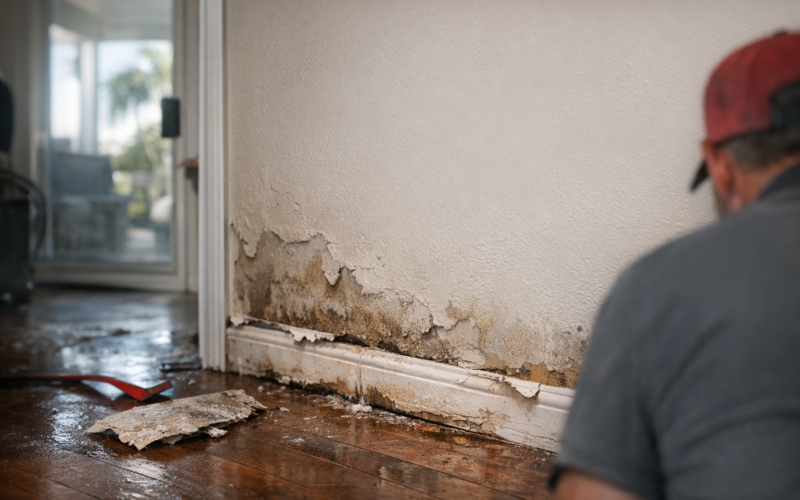
Insurance disputes remain one of the most stubborn barriers to recovery. Homeowners across Lee County continue to face challenges in attributing damage to wind versus flood – a crucial distinction that determines which policy responds and for how much. Citizens Property Insurance Corporation, the state-backed insurer of last resort, has faced criticism over underpayment claims, driving a substantial pipeline of active litigation. These disputes have slowed the pace of rebuilding as families await financial resolution that, in some cases, is now years overdue.
If you are still working through an open claim, FEMA’s FloodSmart resource can help you understand what the National Flood Insurance Program covers and how the appeals process works. Independent documentation of your property’s current condition – something WrightWay can provide – is often the strongest tool homeowners have when pushing back on disputed estimates.
Permitting Backlog
Lee County’s building department has been processing an unprecedented volume of permit applications since Ian. Wait times for complex structural rebuilds can still extend for months in some cases, leaving properties in legal and financial limbo even when homeowners are ready to move forward. The Lee County Recovery portal provides updated guidance on permit processing timelines and contacts for expedited review requests.
Elevated Building Requirements
Post-Ian, the FEMA 50% rule requires that homes with substantial damage must be elevated to meet current floodplain standards before reconstruction can proceed. On Fort Myers Beach and other low-lying Lee County properties, this requirement routinely adds $50,000 to $100,000 or more to the total project cost – a financial burden that has forced some longtime residents to make the painful decision to sell rather than rebuild.
Contractor Fatigue and Fraud
The early post-Ian period brought an influx of out-of-area contractors to Southwest Florida. While some did excellent work, contractor fraud and project abandonment have become serious problems for Lee County homeowners. Unfinished projects, misapplied insurance funds, and unlicensed work are all documented patterns in the area. When choosing a restoration contractor, verify the license number through the Florida Department of Business and Professional Regulation. WrightWay Emergency Services operates under Florida contractor license CBC1253650, which you can verify directly through that database.
Homeowner Decision Paralysis
Perhaps the least-discussed barrier is the emotional and financial exhaustion facing families who have been navigating this recovery for over three years. Whether to sell, rebuild in place, or relocate has been an ongoing weight for thousands of Lee County households. This decision paralysis – compounded by rising insurance premiums, uncertain resale values, and the memory of the storm itself – has slowed recovery in ways that no permitting fix or grant program can fully address.
Changes in Lee County Building Codes Post-Ian
In response to Hurricane Ian, Lee County and the State of Florida have moved to strengthen construction standards across the board. New construction in high-velocity hurricane zones now faces higher elevation requirements, more stringent wind-load standards, and tighter inspections on structural connections. While these changes increase upfront construction costs, they are designed to produce homes and commercial buildings that perform significantly better when the next major storm arrives. Homeowners undertaking new construction or major renovations should consult directly with Lee County’s building department to confirm current standards for their specific flood zone and parcel.
Commercial Recovery on Estero Island
The commercial recovery on Estero Island, particularly around Times Square and Santini Plaza, continues in phases. Some businesses have reopened and are operating, others are still working through permits and insurance settlements, and a meaningful number have not returned at all. Waterfront food and beverage businesses face some of the highest hurdles – new elevation requirements, costly flood-compliant build-outs, and the challenge of reopening in a market where the customer base is still rebuilding its own population. According to recent analysis of Fort Myers Beach’s 2026 rebuild trajectory, the commercial core is moving from plans to permits but full restoration of the pre-Ian business environment remains years away.
Ian-Related Insurance Litigation in 2026
As of 2026, a substantial number of Hurricane Ian insurance claims remain active in Florida courts. These cases commonly involve disputes over wind-versus-flood attribution, denial of supplemental estimates, and policy coverage limits. Florida’s insurance litigation landscape has shifted following recent state reforms, but the backlog of Ian-era cases predating those reforms is still working through the system. Homeowners should be aware that Florida’s Department of Financial Services offers a free mediation program for disputed residential property claims – a step worth considering before committing to full litigation.
Lessons for Homeowners in Claim Disputes
Need restoration help in Southwest Florida right now? WrightWay dispatches in 60 to 90 minutes from three Florida offices, and we answer with a live human.
Homeowners still working through open Ian claims can draw on hard-earned lessons from others who have navigated this process. Thorough, timestamped documentation of all damage and all repair work is the single most valuable asset in any dispute. Photographs, written scopes of work, and contractor invoices all matter. While WrightWay is not a public adjuster, consulting a licensed Florida public adjuster can open additional avenues for claim resolution that are difficult to pursue without professional representation. It is also important to track all communications with your insurer carefully, as Florida’s insurance reform legislation has modified how and when certain legal remedies are available.
Resources for Ian Recovery Still Available in 2026
Despite more than three years passing since Ian, meaningful financial assistance programs remain open and actively funded. Property owners and residents who have not yet accessed these resources should act – most have finite funding and program windows.
CDBG-DR Housing and Infrastructure Programs: Lee County received $1.107 billion in HUD Community Development Block Grant Disaster Recovery funding following Hurricane Ian. Programs under this allocation include direct housing recovery assistance, infrastructure rebuilding, and economic revitalization grants. The LeeCares Individual Housing Recovery program has already received over 1,080 applications, and additional programs continue to be rolled out. Homeowners who have not yet explored CDBG-DR assistance should visit the county’s portal to check eligibility.
SBA Disaster Loans: The U.S. Small Business Administration’s Disaster Loan program offers low-interest loans for homeowners, renters, and businesses to repair or replace disaster-damaged property. Physical Damage Loans cover structural repairs and personal property, while Economic Injury Disaster Loans help businesses cover operating expenses lost due to the disaster. SBA loans are not limited to businesses – many SW Florida homeowners have used them to bridge gaps left by insurance settlements.
FEMA Hazard Mitigation Grants: FEMA’s Hazard Mitigation Grant Program provides funding specifically for improvements that reduce future storm damage – elevation projects, wind-resistant roofing, storm shutters, and similar upgrades. FEMA’s mitigation grant resources can help homeowners understand what qualifies and how to apply through Florida’s Division of Emergency Management.
National Flood Insurance Program: If you are still evaluating whether to elevate or rebuild, FEMA’s FloodSmart website provides flood map lookups, NFIP coverage explanations, and guidance on how elevation certificates affect premium calculations – information that should inform any major rebuilding decision on Estero Island or elsewhere in Lee County’s flood zones.
How WrightWay Supports Lee County Recovery
WrightWay Emergency Services continues to support Lee County homeowners, property managers, and commercial property owners through every phase of storm recovery. As an IICRC-certified, licensed Florida restoration contractor (CBC1253650) with a Fort Myers office, WrightWay provides water damage mitigation, mold remediation, structural drying, and full restoration services across Southwest Florida. Our crews are experienced with the post-Ian recovery landscape – including the documentation requirements insurers expect, the elevation rules that affect reconstruction, and the specific challenges of restoring properties in Lee County’s coastal flood zones.
We understand that many property owners in Fort Myers Beach and surrounding communities are still managing open claims, deferred repairs, or secondary damage from Helene and Milton. If your property has unaddressed damage or if you are unsure whether existing repairs were completed correctly, a professional assessment from a licensed contractor can provide clarity and support your position with your insurer.
For 24/7 emergency restoration across SW Florida, call WrightWay at (941) 379-8669. We serve Fort Myers Beach, Bonita Springs, Cape Coral, Naples, and all surrounding Lee County communities.
Frequently Asked Questions
What is the current status of Fort Myers Beach recovery?
As of 2026, Fort Myers Beach has made meaningful progress but remains far from fully restored. Beach renourishment and dune stabilization work is largely complete, the new pier is moving toward construction with completion expected in 2027, and lodging capacity is returning in phases. However, significant commercial areas remain incomplete, many residential lots are still vacant or in litigation, and the additional impacts of Hurricanes Helene and Milton in 2024 have added new layers of recovery work on top of unfinished Ian repairs.
What is the confirmed death toll from Hurricane Ian in Lee County?
The confirmed death toll attributed to Hurricane Ian in Lee County, Florida is approximately 132 to 141 fatalities, making it one of the deadliest natural disasters in modern Florida history. Statewide, the total death toll reached approximately 149 confirmed storm-related deaths. The Lee County toll reflects both direct storm fatalities and deaths in the immediate aftermath as conditions remained dangerous across the county.
What are the main barriers to recovery in Lee County?
Key barriers include ongoing insurance disputes over wind-versus-flood damage attribution, permitting backlogs in the county building department, FEMA elevation requirements that add tens of thousands of dollars to reconstruction costs, contractor fraud and project abandonment, and the cumulative emotional and financial exhaustion of families who have been navigating this recovery for more than three years.
How have building codes changed in Lee County post-Ian?
Lee County has implemented stricter elevation requirements, higher wind-load standards, and more robust structural connection requirements for new construction and major repairs. These changes increase upfront construction costs but are designed to produce buildings that perform significantly better in future storms.
What resources are still available for Hurricane Ian recovery?
Several programs remain active: Lee County’s CDBG-DR housing recovery programs (funded by a $1.107 billion HUD allocation), SBA disaster loans for homeowners and businesses, FEMA Hazard Mitigation grants for storm-resistance improvements, and Florida’s free mediation program for disputed insurance claims. Homeowners who have not yet accessed these programs should check eligibility as funding windows are finite.
How can WrightWay assist with recovery efforts?
WrightWay Emergency Services provides expert water damage mitigation, mold remediation, structural drying, and full restoration services across Lee County and Southwest Florida. Our Fort Myers office serves Fort Myers Beach, Cape Coral, Bonita Springs, Naples, and surrounding areas. We are IICRC certified and licensed under Florida contractor license CBC1253650. Call (941) 379-8669 for a free assessment.
WrightWay handles every restoration job from emergency response through licensed reconstruction.
One IICRC-certified team, one project manager, one phone call. Available 24/7 across Sarasota, Manatee, Charlotte, Lee, and Collier counties.