

The Expensive Alternative to Professional Detection
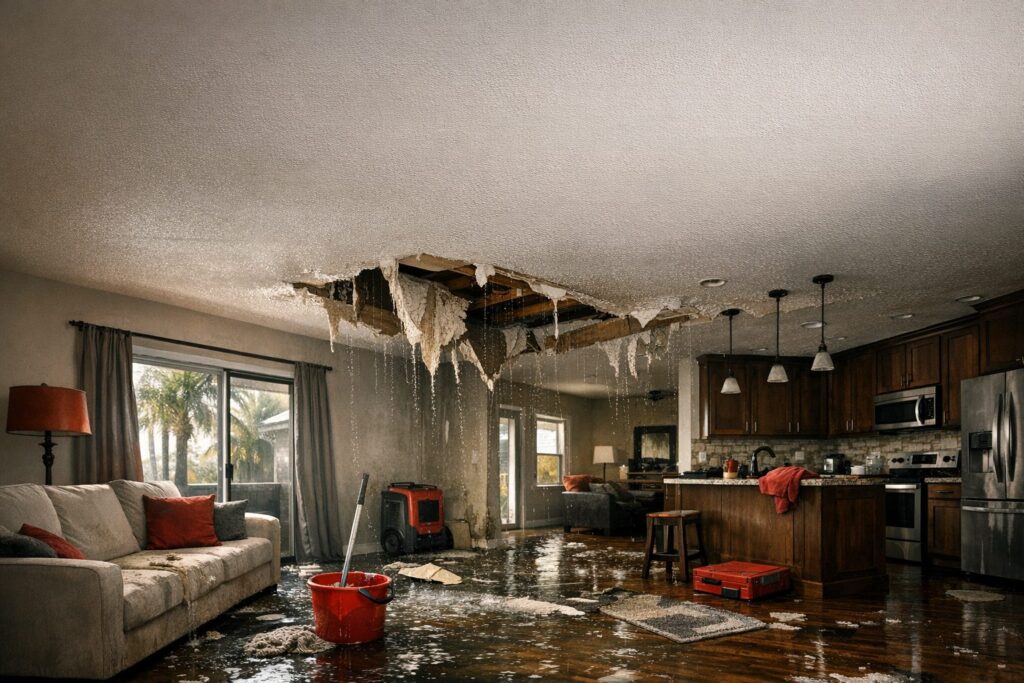
When a homeowner suspects a hidden leak, the traditional approach was simple: call a plumber and start cutting. The plumber would listen to your description, make an educated guess about the leak location, and begin opening walls, ceilings, or floor slabs to find the pipe. This exploratory demolition approach works eventually, but it is expensive, destructive, time-consuming, and often causes more damage than the original leak.
Professional leak detection replaces guesswork with technology. Using acoustic listening equipment, thermal imaging cameras, pressure testing, and electronic line tracing, a trained technician can pinpoint a hidden leak within inches without removing a single tile or cutting a single hole. The cost difference between these two approaches is dramatic, and it consistently favors the homeowner who chooses professional detection first.
Cost Comparison: Detection vs Exploratory Demolition
Understanding the true cost of each approach requires looking beyond the initial service call:
Professional Leak Detection: $300 to $800
A professional leak detection visit typically includes a comprehensive inspection of your plumbing system, the use of multiple detection technologies (acoustic, thermal, and pressure testing), identification of the leak location within a narrow radius, a written report documenting findings and recommended next steps, and moisture readings to assess any existing water damage. The entire process usually takes two to four hours and leaves your home completely intact.
Exploratory Demolition: $2,000 to $5,000 or More
When a plumber begins cutting into your slab, wall, or ceiling to search for a leak, the costs accumulate quickly:
- Access hole creation: Cutting a hole in a concrete slab costs $500 to $1,500 per hole. If the first hole does not reveal the leak, the plumber cuts a second, then a third.
- Repair of access holes: Every hole must be patched, re-floored, and finished. Slab patches alone cost $300 to $800 each, not including flooring replacement.
- Additional water damage: While the plumber searches, the leak continues running. Each day of active leaking increases the scope of water damage to surrounding materials.
- Extended project duration: Exploratory demolition can stretch a one-day detection and repair into a multi-day or multi-week project, with your home in disarray throughout.
- Secondary damage: Cutting into walls and ceilings creates dust and debris, can damage electrical wiring or other utilities, and disrupts your household far more than necessary.
Real-World Scenario: The Slab Leak
Consider a common scenario we encounter in Southwest Florida homes. A homeowner in Sarasota notices their water bill has increased by $80 per month and finds a warm spot on their living room floor. They call a plumber, who suspects a hot water slab leak somewhere in the general area.
Without professional detection: The plumber cuts an access hole in the slab near the warm spot. The leak is not there. The pipe runs further than expected. A second hole is cut six feet away. Still no leak. A third hole is cut near the wall, and the leak is finally found. Total cost: three access holes ($3,600), pipe repair ($400), slab patching ($1,200), tile replacement ($1,800), plus drying and water damage repair for the additional three days the leak ran during the search ($2,500). Total: approximately $9,500.
With professional detection: WrightWay performs a thermal scan and acoustic sweep, pinpointing the leak to a 12-inch area. The plumber cuts one precisely located access hole ($800), repairs the pipe ($400), and the hole is patched and re-floored ($800). Because the leak was found and stopped on day one, water damage is limited and drying costs are minimal ($1,200). Total: approximately $3,500. The homeowner saved $6,000 and had their home restored days faster.
Scenario: The Wall Leak
A homeowner in Fort Myers notices a damp spot on their hallway wall. There is no bathroom on the other side of the wall, just a bedroom, so the source is not obvious.
Without professional detection: The plumber cuts drywall on the hallway side. No leak visible. Cuts on the bedroom side. A pipe runs through the wall but appears intact. Cuts further along the wall and finally finds a pinhole leak at a fitting 8 feet from the original damp spot. Water had been traveling along the bottom plate of the wall before wicking up through the drywall. Three wall openings need repair, plus the mold that grew in the wall cavity during the week-long search process requires professional remediation.
With professional detection: Thermal imaging reveals a moisture trail along the base of the wall. The hottest point (indicating the most moisture concentration) is identified eight feet from the visible damp spot. One targeted opening confirms the leak. The entire wall cavity is dried with commercial equipment, antimicrobials are applied, and one drywall section is replaced. Faster resolution, lower cost, no mold.
Insurance Benefits of Professional Detection
If water reached walls, flooring seams, or sat overnight, fans alone rarely save the materials. A free moisture inspection tells you exactly what is wet and what it costs to fix.
Professional leak detection provides documentation that strengthens your insurance claim in several important ways:
- Precise cause identification: Your insurer wants to know exactly what failed and why. Professional detection provides this answer clearly.
- Damage scope documentation: Moisture readings and thermal images create an objective record of the damage extent, leaving no room for dispute about what was affected.
- Mitigation timeline: Professional documentation shows exactly when the leak was identified and when mitigation began, proving you fulfilled your duty to mitigate promptly.
- Reduced claim amount: Paradoxically, the faster and more precisely you respond, the lower the total claim, which makes adjusters more cooperative and claims processing faster.
When Professional Detection Pays for Itself Instantly
In certain situations, the savings from professional detection are immediate and obvious:
- Slab leaks in homes with expensive flooring: If your Florida home has marble, travertine, or high-end tile, every unnecessary access hole destroys hundreds or thousands of dollars in material.
- Multi-story homes: Leaks that travel between floors are extremely difficult to locate without thermal imaging. Exploratory cuts on the wrong floor multiply costs.
- Older homes with unknown plumbing routes: Homes built before the 1990s often have plumbing routed in unexpected paths. Electronic line tracing maps these routes before any cuts are made.
- Homes with active water damage: When water is actively damaging your home, speed matters more than anything. Professional detection finds the source in hours, not days.
What Professional Detection Cannot Do
It is important to set accurate expectations. Professional leak detection is remarkably effective, but it is not magic:
- Detection identifies the leak location. The physical repair still requires opening the wall, slab, or ceiling at the identified point.
- Some leaks are intermittent and may not produce a detectable signature during the inspection. In these cases, monitoring equipment can be placed to capture the leak when it activates.
- Detection cannot predict future leaks. However, pressure testing your entire system can identify lines with reduced integrity that may fail soon.
The Smart Investment
Professional leak detection is one of the clearest cost-benefit decisions a homeowner can make. For a fraction of the cost of a single exploratory access hole, you get a precise leak location, professional documentation, and a faster path to restoration. WrightWay Emergency Services provides comprehensive leak detection and full-service water damage restoration across Sarasota, Fort Myers, Naples, and all of Southwest Florida. IICRC certified, Florida GC license CBC1253650. Call (941) 379-8669 to schedule a professional leak detection inspection and protect your home from unnecessary damage and expense.
WrightWay handles every restoration job from emergency response through licensed reconstruction.
One IICRC-certified team, one project manager, one phone call. Available 24/7 across Sarasota, Manatee, Charlotte, Lee, and Collier counties.


