

Crews Available Now - 24/7
Environmental
Decomposition Cleanup
Thorough, compassionate decomposition remediation with complete structural decontamination and odor elimination.
24/7 live dispatch
Insurance-ready documentation
Residential + commercial response
Service Overview
What to expect from our Decomposition Cleanup team
First Priority
Protect the property, control the damage, and document the condition accurately.
Typical Conditions
Residential, multifamily, HOA, and commercial losses that need a fast, orderly response.
Project Flow
Clear communication from emergency stabilization through the next recovery phase.

Professional Decomposition Cleanup in Southwest Florida
When a death goes unattended for hours, days, or weeks, the biological consequences extend far beyond what most homeowners, landlords, and property managers anticipate. Decomposition fluids penetrate flooring, subfloor, drywall, and structural framing. Odor molecules saturate porous materials and HVAC systems, often persisting for months without professional intervention. In the heat and humidity of SW Florida, decomposition accelerates dramatically – a scene that might take weeks to progress in a northern climate can develop significant biological contamination within 24 to 48 hours. WrightWay Emergency Services provides discreet, thorough decomposition cleanup across Sarasota, Bradenton, Fort Myers, Naples, and the surrounding communities, performed by OSHA-trained technicians in full PPE using medical-grade protocols.
What Decomposition Cleanup Involves
Decomposition cleanup is not a surface cleaning job. The biological breakdown process releases fluids rich in bacteria, enzymes, and mycotoxins that soak through flooring into subfloor, through subfloor into joists, and into any porous material within range. A complete remediation requires controlled removal of contaminated materials down to clean structural surfaces, followed by antimicrobial treatment of what remains and aggressive odor elimination. WrightWay’s scope typically includes:
- Controlled removal of contaminated flooring, subflooring, padding, and affected drywall
- HEPA-vacuuming and antimicrobial treatment of structural framing, joists, and subfloor
- Safe bagging, labeling, and manifested disposal of regulated biohazard waste
- HVAC duct inspection and decontamination where odor has migrated through the system
- Thermal fogging, hydroxyl generation, or ozone treatment for residual odor
- Post-remediation verification with ATP surface testing when required
Why Decomposition Odor Is So Difficult to Remove
The gases and volatile organic compounds produced during decomposition – including cadaverine, putrescine, and skatole – are heavy, persistent molecules that bond to porous surfaces at a molecular level. Traditional cleaning and deodorizing products only mask these odors temporarily. True elimination requires a two-phase approach: physical removal of the source material (which includes any flooring, subfloor, or drywall saturated with biological fluids), followed by advanced oxidation of residual odor molecules using thermal fogging, hydroxyl generators, or ozone treatment. Skipping the source-removal phase and jumping straight to deodorization is the most common failure mode in amateur cleanup attempts – the odor returns within days as the underlying contamination reactivates.
Who Needs Decomposition Cleanup Services
- Family members and estate executors handling property after an unattended death
- Landlords and property managers restoring rental units to habitable condition
- Real estate agents preparing inherited properties for sale
- Commercial property owners after the death of a tenant, employee, or patient
- Law enforcement and coroner’s offices releasing scenes for civilian cleanup
WrightWay understands that these situations arrive without warning, often alongside grief and legal complexity. Our project managers coordinate discreetly with your timing, work closely with insurance adjusters where applicable, and deliver the documentation needed for estate, insurance, and real estate transactions.
Health and Legal Risks of DIY Decomposition Cleanup
Decomposition scenes are classified as biohazard environments under OSHA’s Bloodborne Pathogens Standard (29 CFR 1910.1030). Exposure to decomposition fluids carries real risk of infection with bloodborne pathogens including HBV, HCV, and HIV, as well as bacterial infections from Clostridium, E. coli, and other opportunistic organisms. In Florida, biohazard waste transport and disposal are regulated under F.A.C. 64E-16, and improper handling can expose property owners to civil and regulatory liability. Professional cleanup isn’t an upsell – it’s the only legally and medically appropriate response to a decomposition scene.
Insurance Coverage for Decomposition Cleanup
Homeowner liability coverage, renter’s insurance, and commercial property policies often include limited coverage for biohazard cleanup resulting from unattended death, particularly when the deceased was a resident or tenant. State victim compensation programs may also apply in specific circumstances. WrightWay prepares detailed Xactimate-formatted documentation, photograph logs, and scope of work reports to support insurance claims. Our team can also assist with claims navigation to help you understand your coverage and maximize entitled benefits.
Why SW Florida Properties Face Higher Decomposition Risk
Florida’s year-round heat and humidity accelerate biological breakdown. Seasonal residents and snowbird populations mean more homes sit unoccupied for extended stretches, increasing the likelihood that a medical event goes unnoticed. Aging populations in communities across Sarasota, Manatee, Charlotte, Lee, and Collier counties further raise the statistical risk. When decomposition does occur in a Florida property, the environmental conditions almost guarantee significant structural penetration within 48–72 hours – which is why fast, professional response is critical.
SW Florida Service Area
WrightWay Emergency Services provides decomposition cleanup from our headquarters at 300 Triple Diamond Blvd in Nokomis, serving Sarasota, Bradenton, Venice, North Port, Punta Gorda, Fort Myers, Cape Coral, Naples, and all surrounding communities. We also perform biohazard and trauma cleanup, advanced odor elimination, and full reconstruction to return the property to safe, habitable condition.
Call (941) 379-8669 for 24/7 dispatch. All inquiries are handled discreetly.


How It Works
Our Decomposition Cleanup Process
We keep the work moving with a clear response sequence, documented scopes, and one accountable team from the first call through the next phase of recovery.
The first phase is about quickly understanding condition, urgency, and what has to happen first.
Scopes, notes, and photos stay organized so owners, managers, and adjusters stay on the same page.
The plan is structured to reduce handoffs between emergency work, contents support, and rebuild decisions.
Step 01
Discreet Assessment
Private walkthrough and scoping with full confidentiality — family, estate, or property manager.
Step 02
Containment & PPE
Negative-air containment and full PPE before any work begins in the affected area.
Step 03
Contaminated Material Removal
Saturated flooring, subfloor, drywall, and soft goods removed and sealed for regulated disposal.
Step 04
Structural Decontamination
HEPA vacuuming and EPA-registered antimicrobial treatment of all exposed framing and cavities.
Step 05
Odor Elimination
Thermal fogging, hydroxyl generators, or ozone treatment to eliminate molecular-level odor.
Step 06
Verification & Documentation
ATP testing where required, photo documentation, and full written report for insurance and estate use.
Common Questions
Frequently Asked Questions
Common timing, documentation, and service questions answered in a clearer format so owners and managers can make confident decisions faster.
Fast response guidance
Insurance-aware answers
Local service expectations
Mold can begin to grow on damp surfaces in as little as 24 to 48 hours under the right conditions. Florida’s warm, humid climate accelerates this timeline significantly, which is why rapid water extraction and structural drying are critical after any water event. If you suspect mold growth following water damage, call WrightWay at (941) 379-8669 for a professional assessment.
While not every species of mold is toxic, all mold growth indoors should be taken seriously. Even common molds can trigger allergic reactions, asthma attacks, and respiratory irritation, especially in children, the elderly, and individuals with compromised immune systems. WrightWay recommends professional testing and remediation any time visible mold covers an area greater than ten square feet or when musty odors persist.
Mold removal refers simply to eliminating visible mold, while mold remediation is a comprehensive process that includes containment, air filtration, removal of contaminated materials, antimicrobial treatment, and moisture control to prevent recurrence. WrightWay follows IICRC S520 standards for mold remediation, which means we address both the mold itself and the underlying moisture source that allowed it to grow in the first place.
WrightWay coordinates with independent, certified industrial hygienists to conduct air-quality sampling and surface testing that identifies the type and concentration of mold spores present. Independent testing ensures unbiased results that are accepted by insurance companies and regulatory agencies. Based on the lab results, we develop a targeted remediation plan specific to your property.
Small areas of mold on non-porous surfaces, typically less than ten square feet, can sometimes be cleaned with household products. However, larger infestations, mold behind walls, and mold on porous materials like drywall and insulation require professional remediation to ensure complete removal and proper containment. Improper DIY cleanup can actually spread mold spores to unaffected areas of your home, making the problem worse.
Florida’s high humidity, frequent rain, and warm temperatures create an ideal environment for mold growth year-round. Common indoor causes include plumbing leaks, poor ventilation in bathrooms and attics, air conditioning condensation issues, and water intrusion from storms. Maintaining indoor humidity below 60 percent and addressing leaks promptly are the most effective ways to keep mold from taking hold in your Southwest Florida home.
Preventing mold recurrence starts with eliminating the moisture source that caused the original growth. WrightWay identifies and repairs the underlying issue, whether it is a roof leak, plumbing failure, or HVAC deficiency, as part of every remediation project. We also apply antimicrobial treatments to affected surfaces, recommend proper ventilation improvements, and can install dehumidification solutions to keep humidity levels in check long after our work is complete.
Insurance
Insurance Claims Assistance
WrightWay coordinates directly with your insurance company - Xactimate estimates, adjuster meetings, documentation, and supplemental claims. One less thing to worry about.
- Xactimate estimates in insurance-standard format
- Direct adjuster coordination and scope agreement
- Complete photo and moisture documentation
- Supplemental claims for hidden damage
Free Inspection
Stabilize the Loss. Carry the Project Forward.
Tell us what happened and we’ll help you understand the next move, whether you need emergency mitigation, a rebuild plan, or both. If the situation cannot wait, call (941) 379-8669 for immediate dispatch.
24/7
Live dispatch
1 team
Mitigation to rebuild
Homes + commercial
Property types served
Free on-site inspection
Insurance coordination support
Residential and commercial response
- Clear recommendations based on the actual condition of the property
- Documentation and scopes built for adjusters, owners, and property managers
- One accountable team from emergency work through reconstruction when needed
Need help right now?
(941) 379-8669
Talk with a live coordinator about the damage, property type, and what we should prepare before arrival.
Request an Assessment
Share the basics and we’ll take it from there.
We use this information to route the right team, equipment, and response plan before we arrive.
Prefer to talk first?
Call (941) 379-8669 and we can help triage the property before you submit the form.
A WrightWay team member will follow up as quickly as possible to confirm the scope and next steps.
Used to route the right crew and scope
A real WrightWay coordinator follows up
Call instead if the situation cannot wait
Google Reviews
Patricia Mastrorilli
6 months ago
We had the best experience with Wrightway! We had a flooding incident from our AC system that seeped into the walls and under the laminate flooring. They were prompt, professional and did a great job drying out and cleaning up everything for us! We also had them do the repairs and we were 100% impressed with their work! Everyone we came in contact with in the office and into our home were respectful and knowledgeable. They worked with us on a great price! We can't say enough about a great experience during a stressful time! A special shout out to Alicia who was great to work with! Thank you all so much!
Verify on Google →Madison Jones
10 months ago
Richie Correa with Wright Way was fantastic. He was punctual, efficient and educated me through the whole process of cleaning and sanitizing our air vents. Answered all my questions and was honest and knowledgeable with over 25 years experience. Highly recommend!
Verify on Google →Russell Titus
4 months ago
Had a great experience with Wrightway. 3 weeks ago my townhouse had major water intrusion, wet drywall, and water everywhere. The HOA called them at 3pm and by 5pm the crew was onsite with dryers and tearing out the wet drywall. The techs wore shoe covers, were very professional, and made sure to cover and drape unexposed areas. Fernando the project lead called me every other day to keep me updated on the dry out and remediation. The had infrared moisture meters and some pretty high tech stuff. Fernando coordinated with the exterior work to fix the leak, and the interior drywall replacement. I have heard horror stories about remediation companies ripping people off, but this is absolutely not the case with Wrightway. They turned a horrible situation into nothing more than a mild inconvenience. 5 stars for everyone I came in contact with. Great job
Verify on Google →Resources
Related Articles
Helpful reads for owners and managers who want more context around decomposition cleanup, response timing, and the decisions that shape the recovery plan.
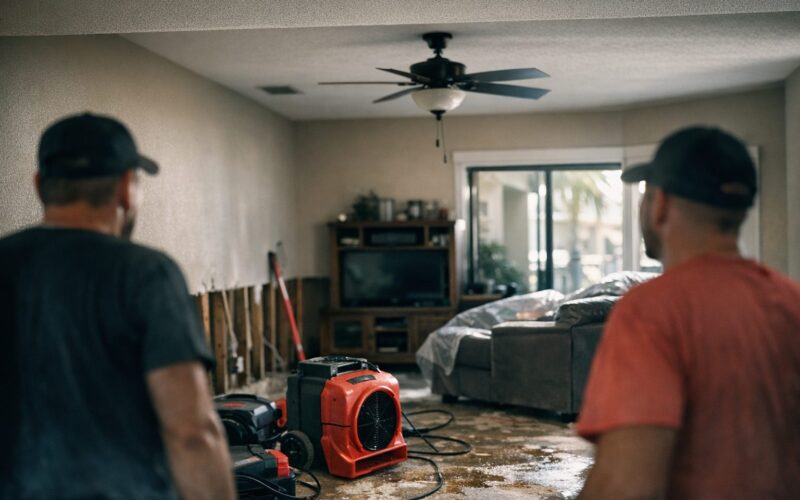
Water Damage
September 2, 2026 · 5 min read
French Drains, Sump Pumps, and Flood Prevention for Florida Homes
🌊 Did you know proactive flood prevention can save your Florida home from water damage? French drains, sump pumps, and proper grading are key! Here's what to consider for your Southwest Florida property...
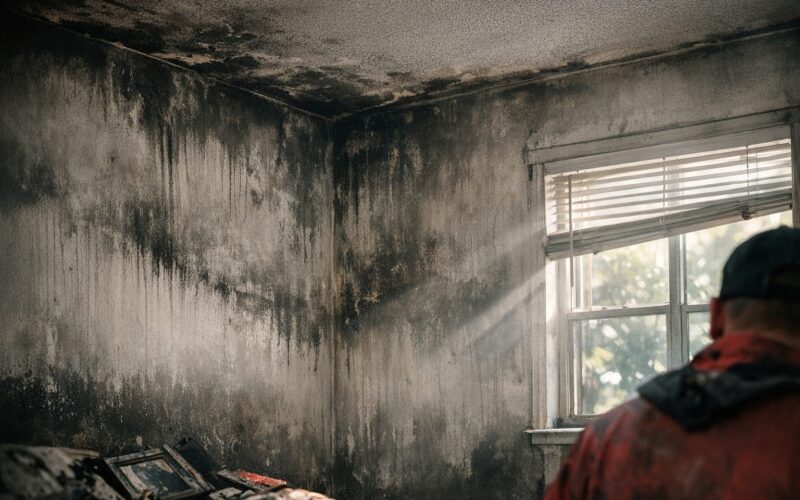
Fire Damage
September 2, 2026 · 5 min read
Smoke Damage to HVAC Systems: Clean, Replace, or Both?
🔥 Did you know smoke from a fire can linger in your HVAC system? It's crucial to know when to clean ducts or replace parts. Ignoring this damage can derail your restoration. Here's what to do next...
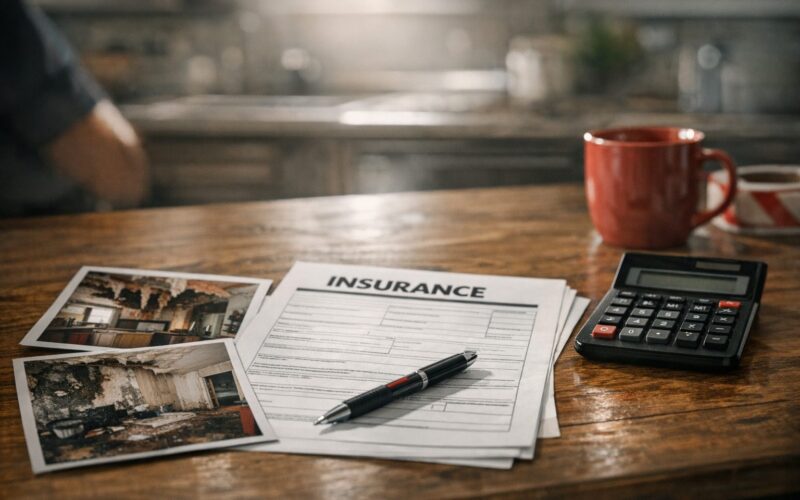
Insurance
September 1, 2026 · 7 min read
Step-by-Step Guide to Filing a Property Damage Claim in Florida
📋 Did you know that filing a property damage claim in Florida can be a complex process? Timing and documentation are key! Here's a step-by-step guide to help you navigate from start to finish.

Emergency Response
Need Emergency Restoration?
Our team is standing by 24/7 to help stabilize the property, document the loss, and move the job forward fast.
- 24/7 live dispatch and emergency response
- Insurance-ready documentation and coordination
- Mitigation, contents, and rebuild under one roof