

Crews Available Now - 24/7
Water Damage
Thermal Imaging & Infrared Inspection
See what the naked eye cannot.
24/7 live dispatch
Insurance-ready documentation
Residential + commercial response
Service Overview
What to expect from our Thermal Imaging & Infrared Inspection team
First Priority
Stop spread, dry fast, and document the loss clearly.
Typical Conditions
Leaks, overflows, storm intrusion, and hidden moisture paths.
Project Flow
Mitigation, monitoring, and repairs coordinated under one roof.

Thermal Imaging & Infrared Inspection Services
The most damaging water problems in a building are the ones you cannot see. Moisture hidden behind drywall, beneath tile, or above a suspended ceiling can deteriorate structural framing, foster mold colonies, and degrade insulation for months before visible symptoms appear. WrightWay Emergency Services uses professional-grade infrared thermal imaging cameras to reveal these hidden problems instantly and non-invasively. Serving Nokomis, Sarasota, Bradenton, Venice, and all of SW Florida, our certified thermographers provide accurate diagnostics that save property owners time, money, and unnecessary demolition.
How Does Thermal Imaging Work?
Every surface emits infrared radiation proportional to its temperature. A thermal imaging camera converts this radiation into a visual heat map, displaying temperature variations across walls, floors, and ceilings. When moisture is present in a building material, evaporative cooling creates a measurable temperature differential compared to surrounding dry areas. This allows a trained thermographer to identify the exact location and extent of moisture intrusion – all without removing a single piece of drywall.
Applications of Infrared Inspection
- Water damage assessment – mapping the full extent of moisture after a leak or flood
- Leak detection – locating hidden plumbing leaks, slab leaks, and roof intrusions
- Mold risk identification – finding damp areas where mold is likely growing behind surfaces
- Insulation deficiencies – revealing gaps, voids, or compressed insulation in walls and attics
- Electrical hot spots – identifying overloaded circuits or failing connections before a fire
- HVAC performance – detecting duct leaks, insufficient insulation, and airflow problems
- Flat roof moisture surveys – mapping trapped moisture in commercial roofing assemblies
When Should You Request a Thermal Inspection?
Thermal imaging is valuable in multiple scenarios. Insurance adjusters and property managers across Sarasota and Manatee County increasingly request infrared documentation to verify the scope of a water loss. Homebuyers use pre-purchase thermal inspections to discover hidden defects. And restoration professionals rely on thermal imaging throughout the drying process to confirm that all moisture has been addressed.
Specific situations where thermal inspection is essential:
- Before and after structural drying to verify results
- During insurance claim documentation for water or storm damage
- Investigating persistent musty odors with no visible source
- Pre-purchase property inspections for homes in flood-prone Venice, Englewood, or Fort Myers areas
- Verifying HVAC efficiency in older Sarasota and Bradenton homes
1. Pre-Scan Consultation
We discuss your concerns, review any known history of water events, and identify target areas. Understanding the building construction – block, frame, stucco, or combination – helps our thermographer interpret the thermal data accurately.
2. Infrared Survey
Using a professional FLIR or equivalent radiometric thermal camera, we systematically scan all areas of concern. Each thermal anomaly is documented with both an infrared image and a corresponding standard photograph for reference. Our technicians are trained to differentiate moisture patterns from other thermal anomalies such as thermal bridging or HVAC airflow.
3. Moisture Verification
Thermal anomalies indicating possible moisture are confirmed with pin and pinless moisture meters. This dual-method approach eliminates false positives and ensures that every identified area is truly wet, not just reflecting a temperature difference from another cause.
4. Detailed Report
You receive a professional report containing annotated thermal images, moisture readings, a floor-plan diagram of affected areas, and actionable recommendations. This report is formatted for insurance submission and is compatible with Xactimate-based restoration scoping.
Why Choose WrightWay?
- Certified thermographers with Level I infrared training
- Professional radiometric cameras – not consumer-grade devices
- Dual-method verification – thermal imaging confirmed with moisture meters
- Insurance-ready reports with annotated images and floor plans
- Full-service restoration – if we find a problem, we can fix it as a licensed general contractor
SW Florida Coverage
WrightWay Emergency Services provides thermal imaging and infrared inspection from our Nokomis headquarters to properties throughout Manatee County, Sarasota County, Charlotte County, Lee County, and Collier County – including Bradenton, Lakewood Ranch, Sarasota, Siesta Key, Venice, North Port, Port Charlotte, Cape Coral, Fort Myers, and Naples. Schedule your inspection today at (941) 379-8669.


How It Works
Our Thermal Imaging & Infrared Inspection Process
We keep the work moving with a clear response sequence, documented scopes, and one accountable team from the first call through the next phase of recovery.
The first phase is about quickly understanding condition, urgency, and what has to happen first.
Scopes, notes, and photos stay organized so owners, managers, and adjusters stay on the same page.
The plan is structured to reduce handoffs between emergency work, contents support, and rebuild decisions.
Step 01
Pre-Scan Consultation
Discuss concerns, review building history, and identify target areas.
Step 02
Infrared Survey
Systematic thermal scan with radiometric camera, documenting all anomalies.
Step 03
Moisture Verification
Confirm thermal findings with pin and pinless moisture meters.
Step 04
Detailed Report
Annotated thermal images, moisture readings, and actionable recommendations.
Common Questions
Frequently Asked Questions
Common timing, documentation, and service questions answered in a clearer format so owners and managers can make confident decisions faster.
Fast response guidance
Insurance-aware answers
Local service expectations
The most important step is to stop the source of water if you can do so safely, then call WrightWay at (941) 379-8669 immediately. Avoid walking through standing water near electrical outlets, move valuables to a dry area, and do not use a household vacuum to remove water. Our technicians will arrive quickly with commercial-grade extraction and drying equipment to minimize further damage.
Most water damage restoration projects take between three and five days for the drying phase, though the timeline depends on the extent of the damage, the materials affected, and the category of water involved. Structural drying is monitored daily with moisture meters and thermal imaging to ensure every affected area reaches its dry standard. WrightWay keeps you informed throughout the process with daily progress updates.
Not necessarily. Carpet affected by clean-water events (Category 1) can often be saved if extraction and drying begin within 24 to 48 hours. However, carpet exposed to contaminated or sewage water (Category 2 or 3) typically must be removed and replaced for health and safety reasons. Our technicians will assess your carpet on site and recommend the safest, most cost-effective solution.
In many cases, yes. WrightWay uses specialized hardwood floor drying systems that force warm, dry air beneath the flooring to draw out trapped moisture without removing the planks. Early intervention is key because hardwood begins to warp, cup, and buckle the longer it stays saturated. Call us as soon as you notice any water exposure to give your floors the best chance of recovery.
Structural drying is the professional process of removing moisture from building materials such as drywall, studs, subfloors, and concrete after a water event. WrightWay uses commercial dehumidifiers, high-velocity air movers, and daily moisture mapping to bring every affected material back to its pre-loss dry standard. Proper structural drying prevents secondary damage like mold growth, wood rot, and lingering odors.
Our technicians use a combination of infrared thermal imaging cameras, penetrating moisture meters, and non-invasive moisture sensors to locate water hiding behind walls, under floors, and above ceilings. These tools allow us to create a detailed moisture map of your property so no wet area goes untreated. Detecting hidden moisture early is essential for preventing mold growth and structural deterioration.
Category 3 water, sometimes called “black water,” is grossly contaminated water that may contain sewage, chemicals, or other hazardous substances. Common sources include toilet overflows with feces, flooding from rivers or storm surge, and long-standing stagnant water. Category 3 events require specialized personal protective equipment, antimicrobial treatments, and the removal of all porous materials that came into contact with the water.
Most standard homeowner’s insurance policies cover sudden and accidental water damage such as burst pipes, appliance failures, and certain storm-related events. However, damage caused by long-term leaks, lack of maintenance, or flooding from rising water typically requires separate flood insurance. We recommend contacting your insurance carrier to confirm your coverage. WrightWay provides detailed documentation of all damage to support your claim.
Insurance
Insurance Claims Assistance
WrightWay coordinates directly with your insurance company - Xactimate estimates, adjuster meetings, documentation, and supplemental claims. One less thing to worry about.
- Xactimate estimates in insurance-standard format
- Direct adjuster coordination and scope agreement
- Complete photo and moisture documentation
- Supplemental claims for hidden damage
Free Inspection
Stabilize the Loss. Carry the Project Forward.
Tell us what happened and we’ll help you understand the next move, whether you need emergency mitigation, a rebuild plan, or both. If the situation cannot wait, call (941) 379-8669 for immediate dispatch.
24/7
Live dispatch
1 team
Mitigation to rebuild
Homes + commercial
Property types served
Free on-site inspection
Insurance coordination support
Residential and commercial response
- Clear recommendations based on the actual condition of the property
- Documentation and scopes built for adjusters, owners, and property managers
- One accountable team from emergency work through reconstruction when needed
Need help right now?
(941) 379-8669
Talk with a live coordinator about the damage, property type, and what we should prepare before arrival.
Request an Assessment
Share the basics and we’ll take it from there.
We use this information to route the right team, equipment, and response plan before we arrive.
Prefer to talk first?
Call (941) 379-8669 and we can help triage the property before you submit the form.
A WrightWay team member will follow up as quickly as possible to confirm the scope and next steps.
Used to route the right crew and scope
A real WrightWay coordinator follows up
Call instead if the situation cannot wait
Google Reviews
Patricia Mastrorilli
7 months ago
We had the best experience with Wrightway! We had a flooding incident from our AC system that seeped into the walls and under the laminate flooring. They were prompt, professional and did a great job drying out and cleaning up everything for us! We also had them do the repairs and we were 100% impressed with their work! Everyone we came in contact with in the office and into our home were respectful and knowledgeable. They worked with us on a great price! We can't say enough about a great experience during a stressful time! A special shout out to Alicia who was great to work with! Thank you all so much!
Verify on Google →Madison Jones
a year ago
Richie Correa with Wright Way was fantastic. He was punctual, efficient and educated me through the whole process of cleaning and sanitizing our air vents. Answered all my questions and was honest and knowledgeable with over 25 years experience. Highly recommend!
Verify on Google →Russell Titus
6 months ago
Had a great experience with Wrightway. 3 weeks ago my townhouse had major water intrusion, wet drywall, and water everywhere. The HOA called them at 3pm and by 5pm the crew was onsite with dryers and tearing out the wet drywall. The techs wore shoe covers, were very professional, and made sure to cover and drape unexposed areas. Fernando the project lead called me every other day to keep me updated on the dry out and remediation. The had infrared moisture meters and some pretty high tech stuff. Fernando coordinated with the exterior work to fix the leak, and the interior drywall replacement. I have heard horror stories about remediation companies ripping people off, but this is absolutely not the case with Wrightway. They turned a horrible situation into nothing more than a mild inconvenience. 5 stars for everyone I came in contact with. Great job
Verify on Google →Resources
Related Articles
Helpful reads for owners and managers who want more context around thermal imaging & infrared inspection, response timing, and the decisions that shape the recovery plan.
General
October 19, 2026 · 5 min read
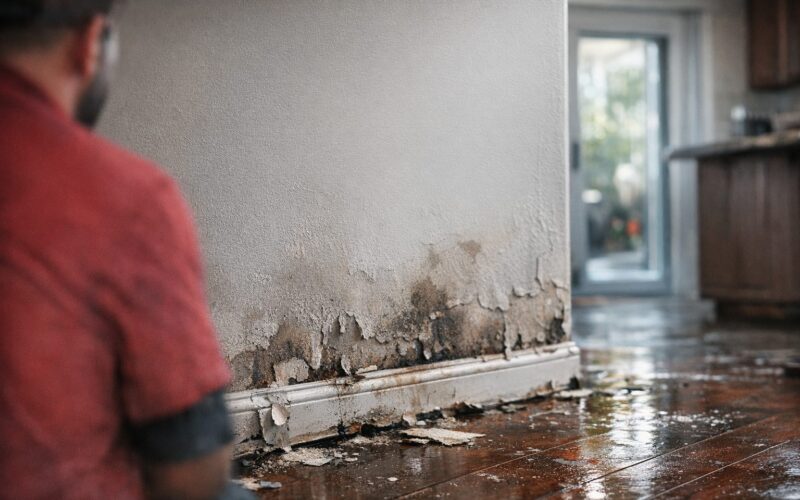
Why the First 2 Hours After Water Damage Determine Your Cost
💰 Did you know that every hour after water damage can raise your restoration costs? The first two hours are crucial for minimizing both damage and expenses. Here's what to do to protect your home!

Insurance
October 19, 2026 · 5 min read
Appraisal vs Mediation vs Litigation: Disputing Your Insurance Payout
⚖️ Did you know there are three ways to dispute an underpaid insurance claim? Appraisal, mediation, or litigation—each has its pros and cons. Here's what to consider for your situation!

General
October 17, 2026 · 5 min read
Best Flooring for Florida Homes After Water Damage: LVP vs Tile vs Hardwood
🏠 Dealing with water damage? Choosing the right flooring is crucial! LVP, porcelain tile, or hardwood—each has its perks. Let’s break down moisture resistance, cost, and durability for Florida homes. Here's what to consider...

Emergency Response
Need Emergency Restoration?
Our team is standing by 24/7 to help stabilize the property, document the loss, and move the job forward fast.
- 24/7 live dispatch and emergency response
- Insurance-ready documentation and coordination
- Mitigation, contents, and rebuild under one roof